Within China Folklore
Why Chinese Dragons Mean More Than Monsters
Chinese dragons are not just monsters, but rain-bringers, royal symbols and lucky guardians woven into festivals, art and folklore.
On this page
- Rain, rivers and dragon kings
- Imperial power and public symbolism
- Dragons in festivals, charms and modern culture
Page outline Jump by section
Introduction
Chinese dragons are among the most recognisable figures in world folklore, but they are often misunderstood by readers familiar with European dragon stories. In Chinese tradition, dragons are usually not monsters waiting to be defeated. Instead, they are powerful beings associated with rain, rivers, fertility, prosperity, authority and protection. For thousands of years they have appeared in myths, religious practice, imperial symbolism, architecture, festivals and everyday good-luck imagery. Their importance lies not simply in what they are, but in what they do: they bring life-giving water, guard communities, legitimise rulers and connect human society with larger forces of nature.[World History Encyclopedia]worldhistory.orgthe dragon in ancient chinaWorld History EncyclopediaThe Dragon in Ancient Chinaby M Cartwright · 2017 · Cited by 7 — The dragon was almost always seen in a positiv…
This protective and empowering role helps explain why dragons remain central to Chinese cultural identity. They appear on temple roofs, ceremonial clothing, festival decorations and public celebrations, not as threats but as symbols of strength, blessing and cosmic order.[google.com]artsandculture.google.comGoogle Arts & Culture20 dragon tilesBritish Museum London… Dragons are associated with good fortune and with rain and water, so these…
Why Chinese Dragons Are Different from Monsters
One of the most striking features of Chinese folklore is that dragons are generally viewed positively. While many Western legends focus on dragon-slaying heroes, Chinese stories more often portray dragons as forces that sustain life and maintain balance. They are linked to clouds, rain and waterways, making them especially important in an agricultural civilisation where successful harvests depended on reliable weather.[worldhistory.org]worldhistory.orgthe dragon in ancient chinaWorld History EncyclopediaThe Dragon in Ancient Chinaby M Cartwright · 2017 · Cited by 7 — The dragon was almost always seen in a positiv…
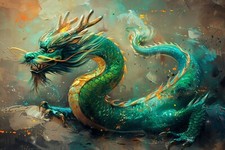
Traditional depictions combine features from several animals, creating a creature that is neither entirely earthly nor entirely divine. Rather than representing chaos, the dragon often symbolises controlled power. It can be awe-inspiring and dangerous when angered, but its usual role is to channel natural forces in ways that benefit human communities.[Heritage Museum Of Asian Art]heritageasianart.orgHeritage Museum Of Asian ArtYear of the Dragon Exhibition | Heritage Museum of Asian ArtDragons were believed to possess a number of powe…
Because of this association with beneficial power, dragons became symbols of good fortune, success, wisdom and prosperity. Their image appears on objects intended to attract luck or provide symbolic protection against misfortune.[cam.ac.uk]fitzmuseum.cam.ac.ukThe Fitzwilliam Museum Look, think, do: Chinese Dragon JarChinese dragons are often a sign of good luck and power. Dragons with 5 claws are the symbol of the emperor.Read more…
Rain, Rivers and the Dragon Kings
The strongest traditional link between dragons and protection comes through water. Chinese folklore commonly presents dragons as rulers of rivers, lakes, seas and rainfall. In many regions they were believed to control storms and determine whether crops would flourish or fail.[wikipedia.org]WikipediaChinese dragonChinese dragon
Guardians of Water and Weather
For farming communities, rain was not merely a convenience but a matter of survival. Dragons therefore became associated with life itself. Historical accounts describe villages and officials conducting ceremonies during droughts or floods to seek the favour of local dragon powers. Temples dedicated to Dragon Kings stood near rivers, coastlines and important waterways, serving as places where communities appealed for rain, protection from floods or calmer seas.[Wikipedia]WikipediaChinese dragonChinese dragon
The best-known tradition centres on the Dragon Kings of the Four Seas. These supernatural rulers governed different regions of the waters surrounding China and acted as intermediaries between the natural world and human society. In folklore they could reward respectful behaviour with rain and abundance or express displeasure through storms and flooding.[Wikipedia]WikipediaChinese dragonChinese dragon
Protection Through Water Symbolism
Dragon imagery was also believed to offer practical symbolic protection. Because dragons controlled rain and water, images of them were sometimes used as safeguards against fire. Temple architecture, ceramics and decorative tiles frequently incorporated dragon motifs for this reason. A set of historic temple roof tiles now in the British Museum illustrates this belief, with dragons serving as protective symbols linked to water and good fortune.[Google Arts & Culture]artsandculture.google.comGoogle Arts & Culture20 dragon tilesBritish Museum London… Dragons are associated with good fortune and with rain and water, so these…
The protective function was therefore both spiritual and symbolic. A dragon image could simultaneously represent divine power, natural balance and a wish for safety.
Imperial Power and Public Symbolism
Over time, dragons became inseparable from ideas of political authority. By the imperial era, the dragon had evolved from a powerful mythic being into the supreme symbol of rulership itself.[Sothebys.com]sothebys.comEnter the Dragon: Imperial Power and its DepictionsSotheby'sRevered by emperors, the dragon became the most famous symbol of Chinese culture, even becoming an emblem of the nation and its…
The Emperor’s Dragon
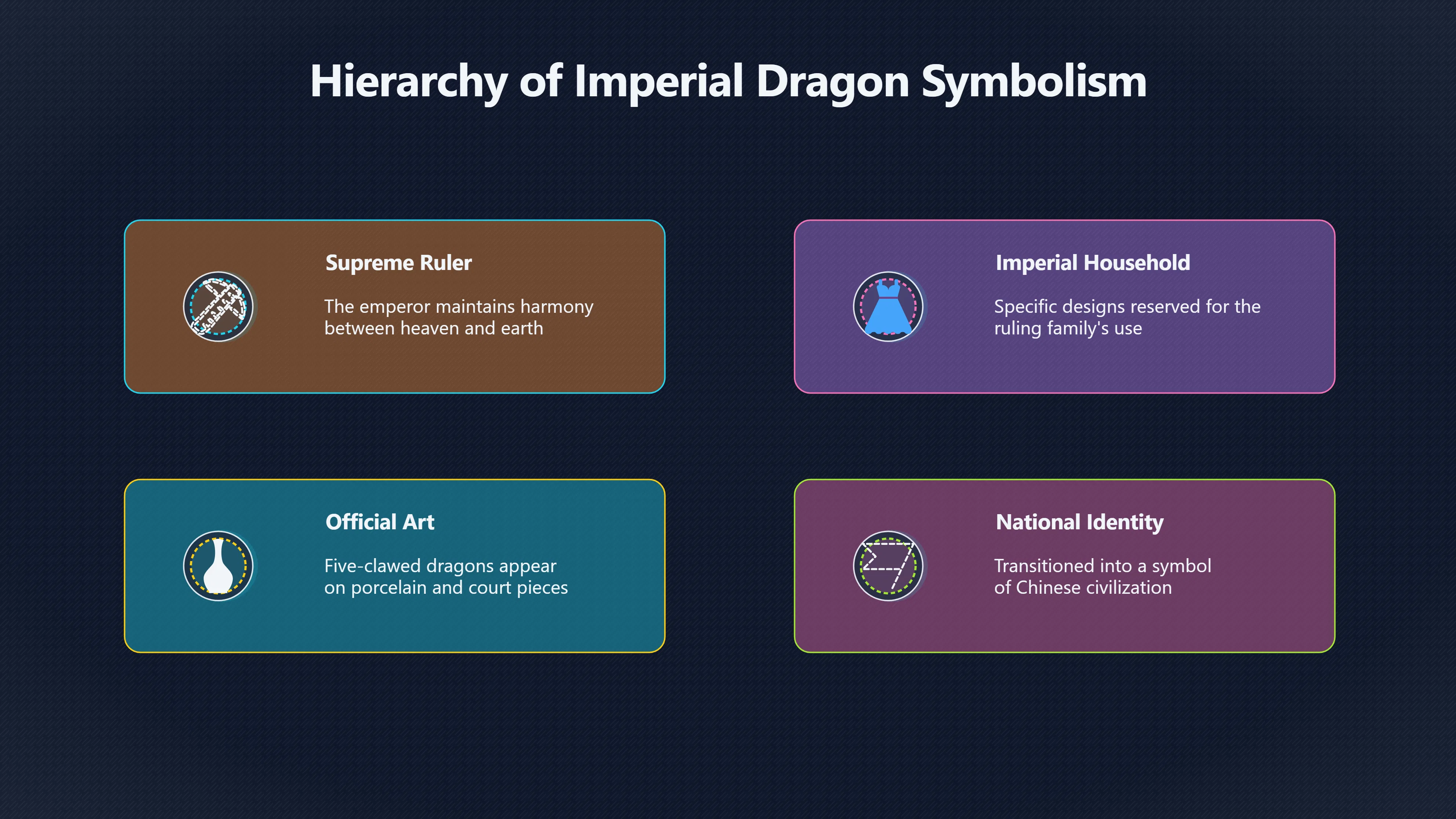
Chinese emperors were closely associated with dragons, and imperial imagery frequently depicted them surrounded by dragon motifs. Certain dragon designs were reserved for the throne and the ruling household. Five-clawed dragons, for example, became strongly linked to imperial authority and appeared on official robes, porcelain and court art.[The Fitzwilliam Museum]fitzmuseum.cam.ac.ukThe Fitzwilliam Museum Look, think, do: Chinese Dragon JarChinese dragons are often a sign of good luck and power. Dragons with 5 claws are the symbol of the emperor.Read more…
This symbolism was more than decoration. The emperor was traditionally understood as maintaining harmony between heaven and earth. Since dragons governed rain, water and cosmic forces, they became ideal emblems of a ruler whose legitimacy depended on preserving order and prosperity.[Sothebys.com]sothebys.comEnter the Dragon: Imperial Power and its DepictionsSotheby'sRevered by emperors, the dragon became the most famous symbol of Chinese culture, even becoming an emblem of the nation and its…

From Royal Emblem to National Symbol
Although imperial rule ended in the early twentieth century, the dragon did not disappear. Instead, it gradually shifted from a symbol of the emperor to a broader symbol of Chinese civilisation and cultural identity. Museums, cultural institutions and historians frequently note that the dragon became one of the most enduring visual representations of China itself.[Sothebys.com]sothebys.comEnter the Dragon: Imperial Power and its DepictionsSotheby'sRevered by emperors, the dragon became the most famous symbol of Chinese culture, even becoming an emblem of the nation and its…
This transformation helps explain why dragons remain prominent in public celebrations and cultural imagery long after the imperial system vanished.
Dragons in Festivals, Charms and Everyday Life
The dragon’s role as a protector extends far beyond mythological stories. It continues to appear in living traditions that connect folklore with community life.
Dragon Dances and Good Fortune
Dragon dances are among the most visible examples. Performed during New Year celebrations and other festivals, these elaborate processions use long dragon figures carried by teams of dancers. The performances are widely believed to bring luck, blessings and prosperity while driving away harmful influences.[wikipedia.org]WikipediaOpen source on wikipedia.org.
The dragon’s movement through streets and public spaces symbolically spreads positive energy across a community. In this sense, the dance acts as a form of collective protection as well as celebration.[NLB]nlb.gov.sgNLBDragon danceSingaporeThe Chinese believe that performing the dragon dance during festivals and celebrations drives away evil spirits and ushers in go…
Dragon Boats and Seasonal Protection
Dragon imagery also appears in the Dragon Boat Festival, one of China’s most famous traditional celebrations. Although the festival has multiple historical layers, including stories surrounding the poet Qu Yuan, it is also linked to older seasonal customs concerned with health, safety and protection from misfortune during a dangerous time of year.[china.org.cn]china.org.cncontent 117239785China DailyUNESCO intangible cultural heritage: Dragon Boat Festival7 Jun 2024 — Dragon Boat Festival was included in the first group of…
The dragon-shaped boats, protective charms, herbal traditions and communal rituals all reflect a broader belief that symbolic actions can help maintain harmony and ward off harmful influences.[AP News]apnews.comRooted in over 2,000 years of history, the festival commemorates the poet Qu Yuan and is associated with ancient customs for health and p…
Protective Images and Household Luck
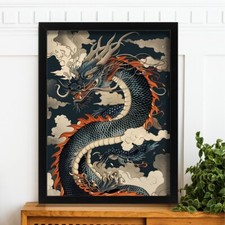
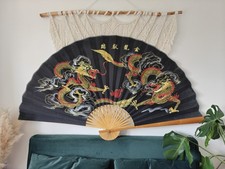
Dragon designs remain common on architecture, jewellery, textiles and decorative objects. Historically, families displayed dragon imagery to invite prosperity, strength and protection. Dragons frequently appear alongside other auspicious symbols, such as phoenixes, creating visual messages about harmony, success and blessing.[britishmuseum.org]britishmuseum.orgOpen source on britishmuseum.org.
These uses show how the dragon moved beyond mythology into everyday life, functioning as a guardian symbol that could accompany people in homes, temples and public spaces.
Why Dragons Still Matter Today
Modern China contains many different attitudes toward folklore, religion and tradition, yet dragons continue to hold remarkable cultural power. They appear in films, tourism campaigns, museum exhibitions, sporting events and international celebrations. Their meaning has expanded beyond specific religious beliefs while retaining their traditional associations with strength, prosperity and protection.[sothebys.com]sothebys.comEnter the Dragon: Imperial Power and its DepictionsSotheby'sRevered by emperors, the dragon became the most famous symbol of Chinese culture, even becoming an emblem of the nation and its…
Part of their endurance comes from their flexibility. A dragon can simultaneously represent natural power, cultural heritage, family good fortune, historical memory and national identity. Few folkloric creatures have successfully occupied so many roles across such a long period of history.[cincinnatiartmuseum.org]cincinnatiartmuseum.orgCincinnati Art MuseumA Long Tradition: Dragons in the East Asian CollectionChinese dragons not only represent power and abundance, but al…
For readers trying to understand Chinese folklore, dragons provide an important key. They reveal a tradition in which power is not necessarily destructive, where supernatural beings often protect rather than threaten, and where symbols can connect rainfall, government, community celebration and personal good fortune into a single enduring image.[worldhistory.org]worldhistory.orgthe dragon in ancient chinaWorld History EncyclopediaThe Dragon in Ancient Chinaby M Cartwright · 2017 · Cited by 7 — The dragon was almost always seen in a positiv…
eBay marketplace picks
Marketplace Samples
Live-tested eBay searches with available results related to this page.
Endnotes
1.
Source: Wikipedia
Title: Chinese dragon
Link:https://en.wikipedia.org/wiki/Chinese_dragon
2.
Source: artsandculture.google.com
Link:https://artsandculture.google.com/asset/20-dragon-tiles/_gHV_RC6_xvn7A?hl=en
Source snippet
Google Arts & Culture20 dragon tilesBritish Museum London... Dragons are associated with good fortune and with rain and water, so these...
3.
Source: sothebys.com
Title: Enter the Dragon: Imperial Power and its Depictions
Link:https://www.sothebys.com/en/articles/enter-the-dragon-imperial-power-and-its-depictions
Source snippet
Sotheby'sRevered by emperors, the dragon became the most famous symbol of Chinese culture, even becoming an emblem of the nation and its...
4.
Source: Wikipedia
Link:https://en.wikipedia.org/wiki/Dragon_dance
5.
Source: nlb.gov.sg
Title: NLBDragon dance
Link:https://www.nlb.gov.sg/main/article-detail?cmsuuid=848b0702-f59e-4ab6-8dc7-3f7f218131b7
Source snippet
SingaporeThe Chinese believe that performing the dragon dance during festivals and celebrations drives away evil spirits and ushers in go...
6.
Source: en.people.cn
Link:https://en.people.cn/n3/2024/1209/c90000-20251523.html
Source snippet
People's Daily OnlineUNESCO inscribes Spring Festival on intangible cultural...9 Dec 2024 — At the session, vivid displays of cultural e...
7.
Source: rituals.com
Title: In art, the dragon signifies ultimate power.” Shop our
Link:https://www.rituals.com/en-us/mag-dragons-in-art-rituality.html
Source snippet
The history of dragons in Chinese art | RITUALSOctober 2, 2023 — “The Chinese believe these mythical creatures bring auspiciousness - luc...
Published: October 2, 2023
8.
Source: Wikipedia
Title: British people
Link:https://en.wikipedia.org/wiki/British_people
Source snippet
British peopleThe population of the UK stands at around 67 million, with around 50 million being White British. This includes 44.4 mil...
9.
Source: Wikipedia
Title: Dragon Boat Festival
Link:https://en.wikipedia.org/wiki/Dragon_Boat_Festival
Source snippet
Dragon Boat FestivalThe Dragon Boat Festival also known as the Duanwu Festival or Tuen Ng Festival, is a traditional Chinese holiday...
10.
Source: Wikipedia
Title: Chinese New Year
Link:https://en.wikipedia.org/wiki/Chinese_New_Year
Source snippet
Chinese New Year... dragon dance in Binondo, Manila; red envelopes; firecrackers exploding; spring couplet... UNESCO Intangible Cultu...
11.
Source: youtube.com
Link:https://www.youtube.com/watch?v=sWJqg0f4kkc
Source snippet
Chinese Dragons | Wise Serpents of the East...
12.
Source: youtube.com
Title: Chinese Dragons | Wise Serpents of the East
Link:https://www.youtube.com/watch?v=re-9tAi6TwA
Source snippet
Every Dragon in Asian Mythology Explained in 20 Minutes...
13.
Source: worldhistory.org
Title: the dragon in ancient china
Link:https://www.worldhistory.org/article/1125/the-dragon-in-ancient-china/
Source snippet
World History EncyclopediaThe Dragon in Ancient Chinaby M Cartwright · 2017 · Cited by 7 — The dragon was almost always seen in a positiv...
14.
Source: chinahighlights.com
Link:https://www.chinahighlights.com/travelguide/article-chinese-dragons.htm
Source snippet
Chinese Dragons — Facts, Culture, Origins, and ArtIn Chinese culture, dragons symbolize imperial power, good fortune, power over weather...
15.
Source: nhm.org
Link:https://nhm.org/stories/year-dragon
Source snippet
Year of the Dragon | Natural History MuseumConversely, Chinese dragons, or long, were heralded as bringers of good fortune through their...
16.
Source: heritageasianart.org
Link:https://www.heritageasianart.org/exhibitions/yearofthedragonspecialexhibition
Source snippet
Heritage Museum Of Asian ArtYear of the Dragon Exhibition | Heritage Museum of Asian ArtDragons were believed to possess a number of powe...
17.
Source: fitzmuseum.cam.ac.uk
Title: The Fitzwilliam Museum Look, think, do: Chinese Dragon Jar
Link:https://www.fitzmuseum.cam.ac.uk/learn-with-us/look-think-do/chinese-dragon-jar
Source snippet
Chinese dragons are often a sign of good luck and power. Dragons with 5 claws are the symbol of the emperor.Read more...
18.
Source: britishmuseum.org
Link:https://www.britishmuseum.org/collection/object/A_PDF-A-640
Source snippet
bowlDescription: Large porcelain bowl. Underglaze blue with wide band of two five-clawed dragons chasing flaming pearls among clouds.Read...
19.
Source: cincinnatiartmuseum.org
Link:https://www.cincinnatiartmuseum.org/about/blog/a-long-tradition-dragons-in-the-east-asian-collection/
Source snippet
Cincinnati Art MuseumA Long Tradition: Dragons in the East Asian CollectionChinese dragons not only represent power and abundance, but al...
20.
Source: china.org.cn
Title: content 117239785
Link:https://www.china.org.cn/arts/2024-06/07/content_117239785.htm
Source snippet
China DailyUNESCO intangible cultural heritage: Dragon Boat Festival7 Jun 2024 — Dragon Boat Festival was included in the first group of...
21.
Source: apnews.com
Link:https://apnews.com/article/97fb9175fe29c360d3d99a8d504bc7fd
Source snippet
Rooted in over 2,000 years of history, the festival commemorates the poet Qu Yuan and is associated with ancient customs for health and p...
22.
Source: britishmuseum.org
Link:https://www.britishmuseum.org/collection/object/A
23.
Source: britishmuseum.org
Link:https://www.britishmuseum.org/exhibitions/hiroshige-artist-open-road/hiroshige-large-print-guide
Source snippet
Hiroshige large print guideRomping through storm clouds, Hiroshige's dragons have a playful energy. In popular East Asian belief, if a ca...
24.
Source: britishmuseum.org
Link:https://www.britishmuseum.org/collection/object/A
Source snippet
tileGroup of twenty glazed ceramic tiles, originally from two buildings. Made of stoneware with fahua-type decoration, moulded with vigor...
25.
Source: britishmuseum.org
Link:https://www.britishmuseum.org/collection/china
Source snippet
ChinaIt includes a wide range of objects such as paintings, prints, jade, bronzes, lacquer and ceramics that reflect the richness and div...
26.
Source: britishmuseum.org
Link:https://www.britishmuseum.org/collection/object/A_PDF-702
Source snippet
dishCharacter 'fu' (good fortune) in the centre and two turqouise dragons with clouds and flames. Medallions containing Chinese character...
27.
Source: britishmuseum.org
Link:https://www.britishmuseum.org/collection/object/A_PDF-662
28.
Source: epaper.chinadaily.com.cn
Link:https://epaper.chinadaily.com.cn/a/202504/17/WS68004d9aa3101d7a97b6b83b.html
Source snippet
UNESCO heritage bid for lion dance sees progressApr 17, 2025 — Cultural policymakers and experts from China and Malaysia are now crafting...
29.
Source: english.shanghai.gov.cn
Link:https://english.shanghai.gov.cn/en-CultureHeritage/20240626/19b2a8cefa8e486a9a724fb9f219ded6.html
Source snippet
Cultural Heritage of Shanghai: Pudong Dragon...The Pudong Dragon Dance features dynamic dances, lively drum beats, and impressive acroba...
30.
Source: english.shanghai.gov.cn
Link:https://english.shanghai.gov.cn/en-Latest-WhatsNew/20241205/8c2544c208c54a6d9219051dd0863f86.html
Source snippet
inscribes Spring Festival on intangible cultural...5 Dec 2024 — UNESCO on Dec 4 inscribed Spring Festival, social practices of the Chine...
31.
Source: unesco.org
Title: document 335
Link:https://www.unesco.org/archives/multimedia/document-335
Source snippet
the Dragon Boat Festival | Intangible Heritage25 Sept 2009 — The Dragon Boat festival strengthens bonds within families and establishes a...
32.
Source: gogo.hk
Link:https://gogo.hk/en/hk/blog/1550
Source snippet
Tai Hang Fire Dragon Dance · UNESCO Heritage CelebrationFrom 5 to 7 October 2025, the historic Tai Hang neighborhood will come alive with...
Published: October 2025
Additional References
33.
Source: sinoramareisen.de
Link:https://sinoramareisen.de/exploring-the-significance-of-dragons-in-chinese-culture/
Source snippet
Exploring the Significance of Dragons in Chinese CultureAs symbols of power, they are closely linked to the imperial family, with the emp...
34.
Source: ich.unesco.org
Link:https://ich.unesco.org/en/decisions/4.COM/13.12
Source snippet
Decision of the Intergovernmental Committee: 4.COM 13.12China has nominated the Dragon Boat festival for inscription on the Rep...
35.
Source: discoverhongkong.com
Link:https://www.discoverhongkong.com/eng/events/tai-hang-s-fire-dragon-dance.html
Source snippet
Tai Hang Fire Dragon DanceA recognised National Intangible Cultural Heritage, the 67-metre fire dragon adorned with 12,000 burning incens...
36.
Source: royalmint.com
Link:https://www.royalmint.com/lunar/year-of-the-dragon/the-dragon-in-chinese-culture/
Source snippet
The Dragon in Chinese CultureChinese dragons are supposed to control watery phenomena. According to folklore, they might use this power t...
37.
Source: chl.anu.edu.au
Link:https://chl.anu.edu.au/content-centre/article/news/drive-winds-change-mighty-dragon-lunar-new-year
Source snippet
the winds of change like a mighty dragon this Lunar...Dr Ren elaborates that it is perhaps the dragon's divine rain-making power that ma...
38.
Source: scmp.com
Title: china and malaysia join forces catapult lion dance unesco cultural heritage list
Link:https://www.scmp.com/news/china/diplomacy/article/3275662/china-and-malaysia-join-forces-catapult-lion-dance-unesco-cultural-heritage-list
Source snippet
China and Malaysia join forces to catapult lion dance onto...Aug 25, 2024 — The lion dance is set to be jointly nominated by China and M...
39.
Source: printsofjapan.wordpress.com
Title: there were twelve symbols of imperial authority. These included sun, moon,
Link:https://printsofjapan.wordpress.com/2016/03/29/not-quite-the-zodiac-part-seven-sub-3-the-dragon-in-china-%E9%BE%8D/
Source snippet
Quite the Zodiac – Part Seven, sub 3: the dragon in China – 龍March 29, 2016 — The dragon was a popular symbol in both Han and non-Han cul...
Published: March 29, 2016
40.
Source: reddit.com
Link:https://www.reddit.com/r/ChineseHistory/comments/1rss27b/how_did_chinese_dragons_go_from_being_associated/
Source snippet
Chinese dragons are traditionally associated with bodies of river (hence rain) and with the emperor (...Read more...
41.
Source: norton.org
Title: where dragons dwell symbols of status in clothing and collecting
Link:https://www.norton.org/exhibitions/where-dragons-dwell-symbols-of-status-in-clothing-and-collecting
Source snippet
Where Dragons Dwell: Symbols of Status in Clothing and CollectingOctober 1, 2023 — This installation presents Chinese and Japanese garmen...
Published: October 1, 2023
42.
Source: culturalheritage.mo
Link:https://www.culturalheritage.mo/en/detail/102242
Source snippet
Dragons can reach up to dozens of meters and be supported and operated by hundreds of...Read more...
Topic Tree