Within Ethiopian Folklore
Are Ethiopian Were Hyenas Just Monster Stories?
Were-hyena and evil-eye traditions reveal how supernatural stories can express fear, envy and social exclusion.
On this page
- Hyena transformation and the evil eye
- Craft workers, Beta Israel and stigma
- How to read the folklore responsibly today
Page outline Jump by section
Introduction
Few figures in Ethiopian folklore are as striking—or as socially complicated—as the were-hyena. At first glance, the tradition looks like a classic monster story: a person who transforms into a hyena at night, prowls among graves, and harms neighbours through supernatural powers. Yet the were-hyena tradition is not simply about monsters. In many Ethiopian communities, beliefs about were-hyenas became intertwined with ideas about the evil eye, envy, social outsiders, hereditary occupations and minority groups. As a result, the folklore reveals as much about human fears and social boundaries as it does about supernatural creatures.[JSTOR]jstor.orgEvil Eye and Buda in Ethiopia.Read moreEthiopian "Buda" as Hyenas: Where the Social is More…December 5, 2015 — by M Baynes-Rock · 2015 · Cited by 19 — presented here hi…
The were-hyena is most often associated with the belief known as buda (sometimes rendered bouda), a concept that combines fears of the evil eye with stories of hidden powers and nocturnal transformation. Anthropologists have long noted that accusations of possessing buda were often directed towards people seen as different from the local majority, making the tradition an important example of how folklore can both express cultural anxieties and contribute to social stigma.[jstor.org]jstor.orgEvil Eye and Buda in Ethiopia.Read moreEthiopian "Buda" as Hyenas: Where the Social is More…December 5, 2015 — by M Baynes-Rock · 2015 · Cited by 19 — presented here hi…
Are Ethiopian Were-Hyenas Just Monster Stories?
The short answer is no. In Ethiopian tradition, the were-hyena occupies a space between supernatural legend and social commentary.
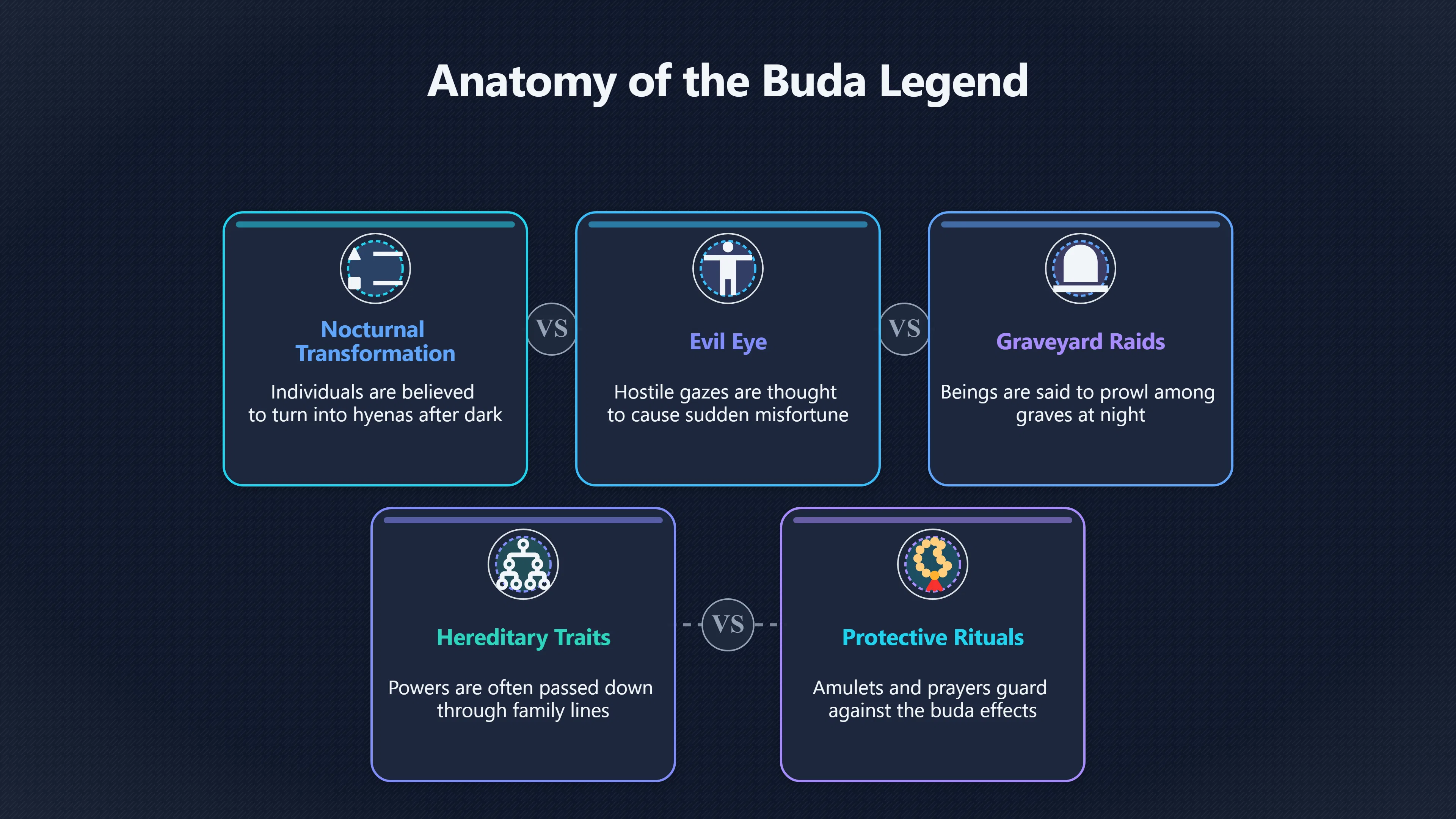
Stories commonly describe individuals who can become hyenas after dark or who send their spirits into hyena form. These beings are often said to raid graves, attack livestock, spread illness or use the evil eye against victims while concealing their human identity. Unlike many European werewolf tales, the emphasis is frequently less on a curse and more on hidden social danger: the fear that a seemingly ordinary neighbour may possess destructive powers.[jstor.org]jstor.orgEvil Eye and Buda in Ethiopia.Read moreEthiopian "Buda" as Hyenas: Where the Social is More…December 5, 2015 — by M Baynes-Rock · 2015 · Cited by 19 — presented here hi…
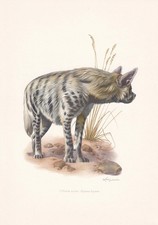
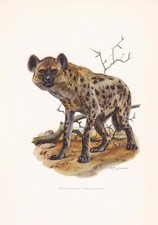
The choice of hyena is significant. Spotted and striped hyenas are familiar animals across the Horn of Africa. Their nocturnal habits, eerie vocalisations and tendency to scavenge around settlements made them powerful symbols of danger and ambiguity. Real hyenas lived at the edge of human communities; the folkloric were-hyena blurred that boundary altogether.[Wikipedia]WikipediaOpen source on wikipedia.org.
Anthropologist Marcus Baynes-Rock argues that reducing buda to a simple evil-eye belief misses an important point: many Ethiopian traditions treat the hyena transformation itself as meaningful, reflecting ideas about relationships between humans, animals and society rather than merely providing a supernatural explanation for misfortune.[JSTOR]jstor.orgEvil Eye and Buda in Ethiopia.Read moreEthiopian "Buda" as Hyenas: Where the Social is More…December 5, 2015 — by M Baynes-Rock · 2015 · Cited by 19 — presented here hi…
Hyena Transformation and the Evil Eye
The concept of the evil eye is widespread across many parts of the world, but Ethiopian buda developed distinctive local features.
In many accounts, the power of buda is connected to envy. A person who covets another family’s prosperity, livestock, beauty, health or success may be suspected of causing harm through a hostile gaze. Misfortune that appears sudden or unexplained—illness, economic setbacks or accidents—can be interpreted as evidence that someone has exercised the evil eye.[rightsinexile.org]rightsinexile.orgData for this study were gathered among the Manze Amhara of the central highlands of Shoa. Province, Ethiopia.Read more…
What makes Ethiopian traditions unusual is that the evil eye is often linked directly to were-hyena beliefs. The same individual accused of possessing buda may also be believed capable of transforming into a hyena or acting through a hyena-like double. In some traditions, these powers are hereditary and passed through family lines.[Wikipedia]WikipediaBuda (folkloreBuda (folklore
Protective practices developed around these fears. Some Ethiopian Christians have traditionally used amulets, prayers, blessings or church rituals intended to guard against the effects of buda. Religious specialists, including clergy and learned ritual practitioners, may be called upon when someone believes they have been afflicted.[Wikipedia]WikipediaBuda (folkloreBuda (folklore
Viewed symbolically, the connection between the evil eye and the were-hyena reflects a common concern in folklore: the fear that resentment hidden beneath everyday social relationships can suddenly become dangerous.
Craft Workers, Beta Israel and Stigma
The most difficult aspect of the were-hyena tradition is its historical association with real communities.
Across parts of Ethiopia, accusations of possessing buda were frequently directed at groups whose occupations or identities set them apart from dominant local society. Blacksmiths, potters, tanners and other hereditary craft workers were often viewed with suspicion. Their specialised skills could inspire both admiration and fear. Some traditions portrayed artisans as possessing secret knowledge acquired through dangerous supernatural means.[Wikipedia]WikipediaBuda (folkloreBuda (folklore
The belief also became attached to the Beta Israel, the historic Jewish community of Ethiopia. In some regions, Christian neighbours accused Beta Israel people of possessing buda powers and transforming into hyenas. Scholars have noted that such accusations functioned similarly to other forms of prejudice found elsewhere in the world, turning a minority group into a source of supernatural suspicion and social exclusion.[Wikipedia]WikipediaBuda (folkloreBuda (folklore
This association was not based on evidence of actual practices. Rather, it reflected broader patterns in which communities labelled outsiders as dangerous or uncanny. The folklore therefore cannot be understood solely as entertainment. It had real consequences for how people were perceived and treated.[PBS]pbs.orgMonstrum | Werehyena: The Terrifying Shapeshifters of…… werehyena is unique in its direct connection to a specific religious grou…
Modern historians and anthropologists often treat the were-hyena tradition as an example of how supernatural narratives can reinforce social hierarchies. The stories reveal anxieties about difference, status and belonging as much as fears of magical attack.[JSTOR]jstor.orgEvil Eye and Buda in Ethiopia.Read moreEthiopian "Buda" as Hyenas: Where the Social is More…December 5, 2015 — by M Baynes-Rock · 2015 · Cited by 19 — presented here hi…
Why Social Fear Became Part of the Legend
One reason the were-hyena tradition endured is that it provided a way to explain tensions that were otherwise difficult to discuss openly.
When economic competition, jealousy or distrust existed between families or groups, accusations of buda offered a supernatural framework for understanding those tensions. Anthropological studies of evil-eye beliefs among Ethiopian communities have repeatedly linked such accusations to concerns about envy, unequal success and strained social relationships.[Rights in Exile]rightsinexile.orgData for this study were gathered among the Manze Amhara of the central highlands of Shoa. Province, Ethiopia.Read more…
The figure of the were-hyena also embodies a broader folkloric pattern: the fear that someone who appears ordinary may secretly belong to another world. In Ethiopian stories, the threat often comes not from a distant monster but from a neighbour whose true nature remains hidden. That idea gives the legend much of its enduring power.[Atlas Obscura]atlasobscura.comAtlas ObscuraThe Myth of the Werehyena and the Fear of the Other in…27 Oct 2020 — In Ethiopian folklore, for example, werehyenas were…
Because hyenas themselves occupy a liminal position—living near settlements yet remaining wild scavengers—they became ideal symbols for people imagined as existing on the edge of society. The folklore transformed social uncertainty into a vivid supernatural image.[Wikipedia]WikipediaOpen source on wikipedia.org.
How to Read the Folklore Responsibly Today
Modern readers can appreciate the were-hyena tradition on two levels at once.
First, it is one of the most distinctive supernatural traditions in Ethiopian folklore. The image of the hyena-shapeshifter is memorable, dramatic and deeply rooted in the landscapes of the Horn of Africa. It belongs alongside the world’s other famous transformation legends while remaining recognisably Ethiopian in character.[Wikipedia]WikipediaOpen source on wikipedia.org.
Second, the tradition carries an important historical lesson. Were-hyena stories were not only tales about monsters; they were also stories about communities deciding who belonged and who did not. The links between buda, the evil eye, artisans and the Beta Israel demonstrate how folklore can sometimes become entangled with prejudice and exclusion.[wikipedia.org]WikipediaBuda (folkloreBuda (folklore
For that reason, many contemporary scholars approach the were-hyena not merely as a supernatural creature but as a window into the social fears, rivalries and inequalities that shaped parts of Ethiopian history. The legend remains fascinating, but its deepest significance may lie in what it reveals about human relationships rather than animal transformation.[jstor.org]jstor.orgEvil Eye and Buda in Ethiopia.Read moreEthiopian "Buda" as Hyenas: Where the Social is More…December 5, 2015 — by M Baynes-Rock · 2015 · Cited by 19 — presented here hi…
eBay marketplace picks
Marketplace Samples
Live-tested eBay searches with available results related to this page.

Endnotes
1.
Source: jstor.org
Title: Evil Eye and Buda in Ethiopia.Read more
Link:https://www.jstor.org/stable/24774337
Source snippet
Ethiopian "Buda" as Hyenas: Where the Social is More...December 5, 2015 — by M Baynes-Rock · 2015 · Cited by 19 — presented here hi...
Published: December 5, 2015
2.
Source: researchgate.net
Link:https://www.researchgate.net/publication/290474849_Ethiopian_Buda_as_Hyenas_Where_the_Social_is_More_than_Human
Source snippet
Ethiopian Buda as Hyenas: Where the Social is More than...In emphasizing equivalences with conceptions of evil eye, accounts of Ethiopia...
3.
Source: Wikipedia
Title: Buda (folklore)
Link:https://en.wikipedia.org/wiki/Buda_%28folklore%29
4.
Source: Wikipedia
Link:https://en.wikipedia.org/wiki/Werehyena
5.
Source: Wikipedia
Link:https://en.wikipedia.org/wiki/Hyena
6.
Source: Wikipedia
Title: Evil eye
Link:https://en.wikipedia.org/wiki/Evil_eye
7.
Source: Wikipedia
Title: Superstition in Ethiopia
Link:https://en.wikipedia.org/wiki/Superstition_in_Ethiopia
8.
Source: Wikipedia
Title: Beta Israel
Link:https://en.wikipedia.org/wiki/Beta_Israel
9.
Source: pbs.org
Link:https://www.pbs.org/video/werehyena-the-terrifying-shapeshifters-of-african-lore-ttabat/
Source snippet
Monstrum | Werehyena: The Terrifying Shapeshifters of...... werehyena is unique in its direct connection to a specific religious grou...
10.
Source: rightsinexile.org
Link:https://rightsinexile.org/wp-content/uploads/2023/04/Reminick-TheEvilEyeBeliefAmongAmharaEthiopia_again.pdf
Source snippet
Data for this study were gathered among the Manze Amhara of the central highlands of Shoa. Province, Ethiopia.Read more...
11.
Source: atlasobscura.com
Link:https://www.atlasobscura.com/articles/monster-mythology-werehyena
Source snippet
Atlas ObscuraThe Myth of the Werehyena and the Fear of the Other in...27 Oct 2020 — In Ethiopian folklore, for example, werehyenas were...
Additional References
12.
Source: reddit.com
Link:https://www.reddit.com/r/Judaism/comments/lcx0om/til_ethiopian_jews_were_thought_to_be_monster/
Source snippet
TIL Ethiopian Jews were thought to be monster hyenas in...Aware hyena is most commonly believed to be a hyena masquerading by day as a h...
13.
Source: reddit.com
Title: Looking into werewolves and after falling down a few rabbit
Link:https://www.reddit.com/r/mythologymemes/comments/quflb3/looking_into_werewolves_and_after_falling_down_a/
Source snippet
werehyenas aka the buda in ethiopian folklore. Also weirdly anti... It's believed buda have an evil eye which can curse anybody that the...
14.
Source: reddit.com
Link:https://www.reddit.com/r/Ethiopia/comments/lo6698/hey_ethiopia_may_i_ask_how_popular_is_the_bouda/
Source snippet
e Turkish and Greek evil eye phenomenon that requires...Read more...
15.
Source: semanticscholar.org
Link:https://www.semanticscholar.org/paper/Ethiopian-Buda-as-Hyenas%3A-Where-the-Social-is-More-Baynes-Rock/cb73e627dfbea8afdf1bc0fbf601a4d7182d9825
Source snippet
Ethiopian buda understate the capacity of these beings to transform into hyenas... The Evil Eye Belief Among the Amhara of Ethiopia · Ro...
16.
Source: lewisrhystwiby.wordpress.com
Link:https://lewisrhystwiby.wordpress.com/2025/10/04/myths-legends-religion-and-faith-werehyenas/
Source snippet
wordpress.comMyths, Legends, Religion, and Faith: Werehyenas4 Oct 2025 — Regardless, the werehyena became Ethiopia's answer to the blood...
17.
Source: beastsoflegend.com
Title: bouda ethiopian werehyena
Link:https://beastsoflegend.com/bestiary/africa/east-africa/bouda-ethiopian-werehyena/
Source snippet
Exploring Ethiopian Bouda: Werehyena Myths Horn of Africa9 Jun 2026 — Summary: Rooted in Ethiopian and Horn of Africa traditions, the Bou...
18.
Source: youtube.com
Title: Ethiopia’s Hyena Man – The Wildest Person I’ve Ever Met
Link:https://www.youtube.com/watch?v=s6BTw5UD8Hg
Source snippet
Ethiopian buda evil eye "The Buda Curse: Ethiopia’s Shape-Shifting Shadow Veil of Truth...
19.
Source: youtube.com
Title: Werehyena: The Terrifying Shapeshifters of African Lore | Monstrum
Link:https://www.youtube.com/watch?v=Ba19Lemgu2U
Source snippet
Ethiopian Story: Bouda - The Case Of The WereHyenas...
20.
Source: youtube.com
Title: Human or Beast? The African Legends of the Fearsome Hyena-Men
Link:https://www.youtube.com/watch?v=4cI4xBPvbHo
Source snippet
Ethiopia's Hyena Man – The Wildest Person I've Ever Met...
21.
Source: youtube.com
Title: The Buda Curse: Ethiopia’s Shape-Shifting Shadow
Link:https://www.youtube.com/watch?v=p4Miwgku0w8
Source snippet
Werehyena: The Terrifying Shapeshifters of African Lore | Monstrum...
Topic Tree