Within Tuvalu Folklore
Why Are Tuvalu's Islands So Flat?
The Eel and the Flounder turns animals, coconuts, stones and flat atolls into one memorable origin story.
On this page
- The quarrel over the stone
- How animals become landscape
- Coconut, reef and Polynesian echoes
Page outline Jump by section
Introduction
Among the stories told across Tuvalu’s islands, none is more closely associated with the shape of the country itself than the tale of the Eel and the Flounder, known in Tuvaluan tradition as te Pusi mo te Ali. More than a simple animal fable, it is an origin story that explains why Tuvalu consists of low, flat coral atolls, why coconut palms are so important to island life, and even how the islands came into existence. The myth turns familiar features of the landscape into the lasting traces of a quarrel between two powerful beings. In a nation where land is scarce, coconut trees are essential, and the horizon is dominated by reef and lagoon, the story provides a memorable explanation for the world people inhabit. It remains the best-known creation narrative associated with Tuvalu and appears in both oral tradition and modern retellings.[Wikipedia]WikipediaTuvaluan mythologyTuvaluan mythology
Why Are Tuvalu’s Islands So Flat?
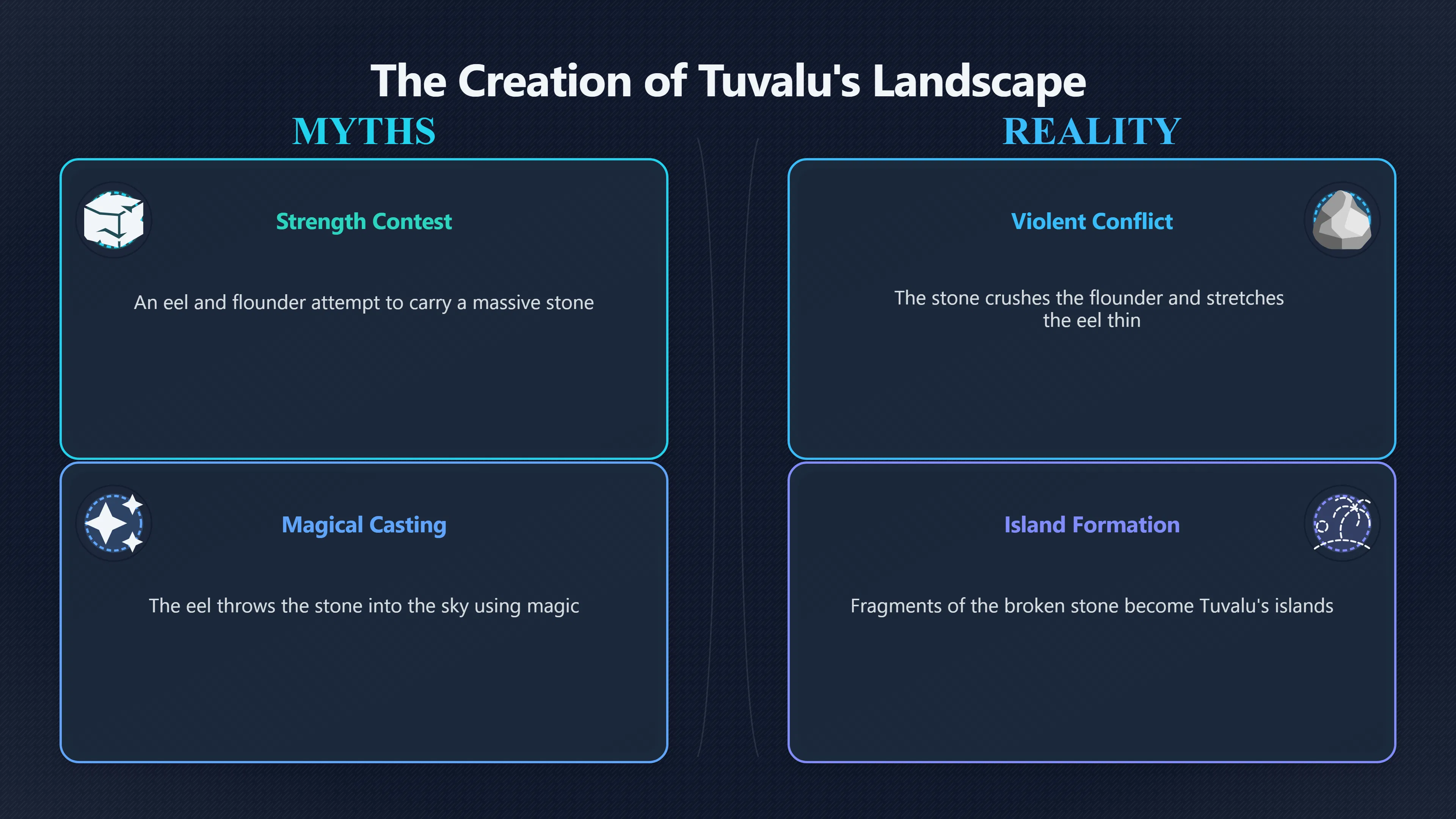
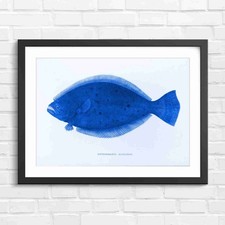
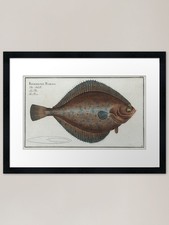
The central characters are an eel and a flounder who begin as close companions. According to versions recorded in Tuvalu: A History and later summaries, they decide to test their strength by carrying an enormous stone. What starts as a contest becomes an argument, and the argument becomes a fight. During the struggle, the stone crushes the flounder, flattening its body. The injured flounder retaliates, striking the eel and causing it to become increasingly long and thin as it retreats.[Wikipedia]WikipediaTuvaluan mythologyTuvaluan mythology
The physical transformations of the two creatures become the explanation for the landscape. The flounder’s broad, flattened body is said to be the model for Tuvalu’s remarkably low and flat atolls. The eel’s long, narrow form becomes the model for the coconut palm, one of the most valuable plants in traditional island life. Rather than separating animals from the environment, the story treats landscape and living creatures as part of the same continuing process of transformation.[Wikipedia]WikipediaTuvaluan mythologyTuvaluan mythology
This feature makes the myth especially suited to Tuvalu. Unlike mountainous islands elsewhere in the Pacific, Tuvalu consists almost entirely of coral atolls rising only a few metres above sea level. The story answers a question that would naturally occur to islanders and visitors alike: why is the land so flat? The answer is not geological but mythic—the islands resemble a flounder because, in the story, they ultimately come from one.[Wikipedia]WikipediaTuvaluan mythologyTuvaluan mythology
The Quarrel Over the Stone
The stone is more than a prop in the narrative. It is the mechanism through which creation takes place.
After the eel escapes the flounder and survives the fight, the story moves beyond the animals themselves. The flounder dies, and the eel takes possession of the great stone that caused their dispute. Using magical words, the eel throws the stone into the sky. In some tellings, repeated throws separate black, white and blue elements within the stone, creating the distinction between night, daylight, sea and sky.[Wikipedia]WikipediaTuvaluan mythologyTuvaluan mythology
The final act of creation comes when the remaining stone is broken apart. The fragments become the islands of Tuvalu. This detail is especially significant because the traditional meaning of the country’s name is often translated as “eight standing together,” referring to the eight inhabited islands known when the name was established. In the myth, the breaking of the stone into pieces mirrors the appearance of a chain of separate islands scattered across the ocean.[Wikipedia]WikipediaTuvaluan mythologyTuvaluan mythology
The stone therefore explains several layers of the world at once:
- The division between sky and sea.
- The cycle of darkness and light.
- The existence of the islands themselves.
- The traditional association of Tuvalu with eight principal islands.
Rather than offering a single moment of creation, the narrative presents creation as a sequence of transformations arising from conflict, reconciliation and change.[Wikipedia]WikipediaTuvaluan mythologyTuvaluan mythology
How Animals Become Landscape
One reason the Eel and Flounder story has endured is the elegance of its logic. Every major feature of island life emerges from a visible characteristic of the two animals.
The flounder is already a naturally flat fish. The myth extends that characteristic into geography, making the fish’s body the pattern for the atolls. The eel is long and cylindrical, qualities that are transferred to the trunk of the coconut palm. The story invites listeners to see familiar forms repeated throughout the world around them.[Wikipedia]WikipediaTuvaluan mythologyTuvaluan mythology
This approach is common in oral traditions, where physical resemblance often becomes an explanation for origins. Yet the Tuvaluan version is distinctive because it links several essential elements of life together. The atoll provides habitation, the reef provides food, and the coconut palm provides timber, fibre, drink and nourishment. By giving all of these a shared mythical source, the story creates a unified vision of the environment.[Wikipedia]WikipediaTuvaluan mythologyTuvaluan mythology
The narrative also reflects an island worldview in which humans, animals, plants and landforms are interconnected rather than sharply separated. The landscape is not an inert backdrop; it is the visible result of relationships and events that took place in mythic time.[Wikipedia]WikipediaTuvaluan mythologyTuvaluan mythology
Coconut, Reef and Polynesian Echoes
Although the Eel and Flounder story is strongly associated with Tuvalu, it also reveals Tuvalu’s place within the wider Polynesian world.
Researchers and collectors of Pacific traditions have long noted similarities between the Tuvaluan eel and the famous Samoan story of Sina and the Eel. In Samoa and elsewhere in Polynesia, an eel is connected to the origin of the first coconut tree. The details differ, but the underlying association between eels and coconuts appears across a wide region of the Pacific.[Wikipedia]WikipediaTuna (Polynesian mythologyTuna (Polynesian mythology
These parallels do not suggest that Tuvalu merely borrowed another culture’s story. Rather, they reflect centuries of voyaging, trade, migration and shared ancestry among Polynesian societies. Oral traditions travelled with people and were adapted to local environments. In Tuvalu, the coconut motif became linked to a uniquely local explanation for flat coral atolls and the formation of the islands themselves.[Wikipedia]WikipediaHistory of TuvaluHistory of Tuvalu
The result is a creation myth that is simultaneously local and regional: unmistakably Tuvaluan in its concern with low coral islands, yet recognisably connected to broader Polynesian patterns of storytelling.[Wikipedia]WikipediaTuvaluan mythologyTuvaluan mythology

Why the Story Still Matters
Today the Eel and Flounder remains the most widely recognised myth associated with Tuvalu. It appears in educational materials, cultural programmes, popular retellings and discussions of Tuvaluan identity. Modern storytellers continue to use it because it condenses the country’s geography, ecology and cultural memory into a single narrative.[assets.sortedinschools.org.nz]assets.sortedinschools.org.nzMotu Quest Cave IslandTuvalu and te Pusin (the eel) is the model for the coconut palms that are important…Read more…
The story also gains additional resonance in a country often discussed internationally because of its vulnerable low-lying landscape. While scientists explain the formation of atolls through coral growth and geological processes, the traditional narrative offers a different kind of truth: a cultural explanation for why the land looks the way it does and why particular natural features matter. The myth transforms ordinary observations—a flat reef island, a coconut palm, a fish in the lagoon—into reminders of an ancient relationship between the Eel, the Flounder and the islands of Tuvalu themselves.[devpolicy.org]devpolicy.orgisland song a week in tuvalu 20191018Island song: a week in Tuvalu18 Oct 2019 — Hit in the stomach and badly injured, the eel magically cursed the flounder, whose crushed bod…
Amazon book picks
Further Reading
Books and field guides related to Why Are Tuvalu's Islands So Flat?. Use these as the next step if you want deeper reading beyond the article.
Polynesian Mythology:
Creation narratives and landscape-forming myths are central themes throughout Polynesia.
Vaka Moana
Explains the broader cultural world in which such creation stories developed.
Polynesian Mythology and Ancient Traditional History of the N...
First published 2005.
The lore of the whare-wananga
Contains comparative creation traditions useful for understanding island-origin myths.
eBay marketplace picks
Marketplace Samples
Live-tested eBay searches with available results related to this page.
Endnotes
1.
Source: Wikipedia
Title: Tuvaluan mythology
Link:https://en.wikipedia.org/wiki/Tuvaluan_mythology
2.
Source: Wikipedia
Link:https://en.wikipedia.org/wiki/Tuvalu
3.
Source: devpolicy.org
Title: island song a week in tuvalu 20191018
Link:https://devpolicy.org/island-song-a-week-in-tuvalu-20191018/
Source snippet
Island song: a week in Tuvalu18 Oct 2019 — Hit in the stomach and badly injured, the eel magically cursed the flounder, whose crushed bod...
4.
Source: Wikipedia
Title: History of Tuvalu
Link:https://en.wikipedia.org/wiki/History_of_Tuvalu
5.
Source: frieze.com
Link:https://www.frieze.com/article/celeste-olalquiaga-tuvalu-issue-234
6.
Source: Wikipedia
Title: Tuna (Polynesian mythology)
Link:https://en.wikipedia.org/wiki/Tuna_%28Polynesian_mythology%29
7.
Source: Wikipedia
Title: Sina and the Eel
Link:https://en.wikipedia.org/wiki/Sina_and_the_Eel
8.
Source: assets.sortedinschools.org.nz
Title: Motu Quest Cave Island
Link:https://assets.sortedinschools.org.nz/public/Motu-Quest/Motu-Island-students-book_Cave-Island.pdf
Source snippet
Tuvalu and te Pusin (the eel) is the model for the coconut palms that are important...Read more...
Additional References
9.
Source: scribd.com
Link:https://www.scribd.com/document/393721224/Tuvalu-2
Source snippet
Tuvalu's Origins and Discovery History | PDF | TravelAn important Tuvaluan creation myth describes how the eel and flounder created the i...
10.
Source: facebook.com
Link:https://www.facebook.com/thecoconet/posts/find-out-how-the-islands-of-tuvalu-got-their-name-the-story-of-the-eel-flounders/1618815051589042/
Source snippet
rs friendship. #Tuvalu #LegendaryPolynesia #Islands...
11.
Source: worldbooktour.wordpress.com
Title: theworldbooktour Tuvalu (Part 2)
Link:https://worldbooktour.wordpress.com/2017/04/21/tuvalu-part-2/
Source snippet
(Part 2) - theworldbooktour - WordPress.com21 Apr 2017 — The eel, in the safety of its hole casts some magic words which makes the flound...
12.
Source: thecoconet.tv
Title: LEGENDAR Y POLYNESIA
Link:https://www.thecoconet.tv/coco-kids/animated-pacific/legendary-polynesia-the-eel-the-flounder/
Source snippet
LEGENDARY POLYNESIA - THE EEL & THE FLOUNDERFind out how the islands of Tuvalu got their name & the story of the Eel & Flounders friendsh...
13.
Source: youtube.com
Link:https://www.youtube.com/watch?v=WM1WhySdkaU
Source snippet
The Eel and The Flounder: The Creation Story of Tuvalu...
14.
Source: youtube.com
Title: The Eel and The Flounder: The Creation Story of Tuvalu
Link:https://www.youtube.com/watch?v=vjXxaq6aTes
Source snippet
Paradise Domain - Tuvalu...
15.
Source: youtube.com
Title: Tuvalu island tales
Link:https://www.youtube.com/watch?v=nQlrPm-VyE4
Source snippet
Tuvalu's History in 3 Minutes...
16.
Source: youtube.com
Title: Paradise Domain
Link:https://www.youtube.com/watch?v=jnmSABJmqY8
Source snippet
Tuvalu island tales...
17.
Source: youtube.com
Title: Tuvalu’s History in 3 Minutes
Link:https://www.youtube.com/watch?v=YyRrbeD14S0
18.
Source: youtube.com
Link:https://www.youtube.com/watch?v=yBXzTWDu_V8
Source snippet
Set on Rotuma in Fiji, against black...
Topic Tree