Within Norway Folklore
Why Norwegian Trolls Still Haunt the Mountains
Norwegian trolls are fearsome landscape beings, but many tales make them beatable through wit, nerve and everyday cleverness.
On this page
- What trolls are in Norwegian tradition
- Famous tales of trickery and defeat
- From oral monsters to national icons
Page outline Jump by section
Introduction
Norwegian trolls are among the most famous creatures in European folklore, but they are not simply monsters. In traditional stories they are huge, ancient beings tied to mountains, forests and rocky wilderness, representing the dangerous edge of the human world. At the same time, many of Norway’s best-loved tales turn them into comic opponents who can be fooled, tricked or beaten by ordinary people using courage and quick thinking rather than strength. This combination of menace and absurdity is one reason trolls have remained so central to Norwegian culture. They are terrifying enough to explain strange landscapes and wilderness fears, yet foolish enough to become memorable characters in stories told around the hearth and later in children’s books.[wikipedia.org]WikipediaOpen source on wikipedia.org.
More than almost any other figure in Norwegian folklore, trolls connect storytelling to the physical landscape. Mountains, cliffs, isolated valleys and unusual rock formations were often explained as the work—or the remains—of trolls. Even today, famous places with names beginning with “Troll” reflect how deeply these stories became attached to Norway’s terrain and cultural imagination.[visitnorway.com]visitnorway.comMysterious rock formations and mountains with troll-like-shapes have mesmerized people all over Norway for thousands of…Read more…
What trolls are in Norwegian tradition
In Norwegian folklore, a troll is not one fixed creature. Different regions described them differently. Some tales portray gigantic mountain-dwellers with multiple heads, enormous noses and immense strength. Others describe smaller beings living inside hills, caves or rocky slopes. What links them is their association with wild places beyond normal human settlement.[wikipedia.org]WikipediaOpen source on wikipedia.org.
Mountain trolls became especially important in Norwegian storytelling. They typically lived inside mountains, emerging at night and guarding hidden wealth. These creatures were powerful enough to throw boulders, tear up trees or threaten entire communities. Yet they were also frequently portrayed as slow-witted. This contradiction created the perfect folktale villain: physically overwhelming but mentally vulnerable.[lillehammer.com]en.lillehammer.comVisit LillehammerTroll, legends and mythsTroll is a term used to describe various supernatural beings in Nordic folklore and storytelling…
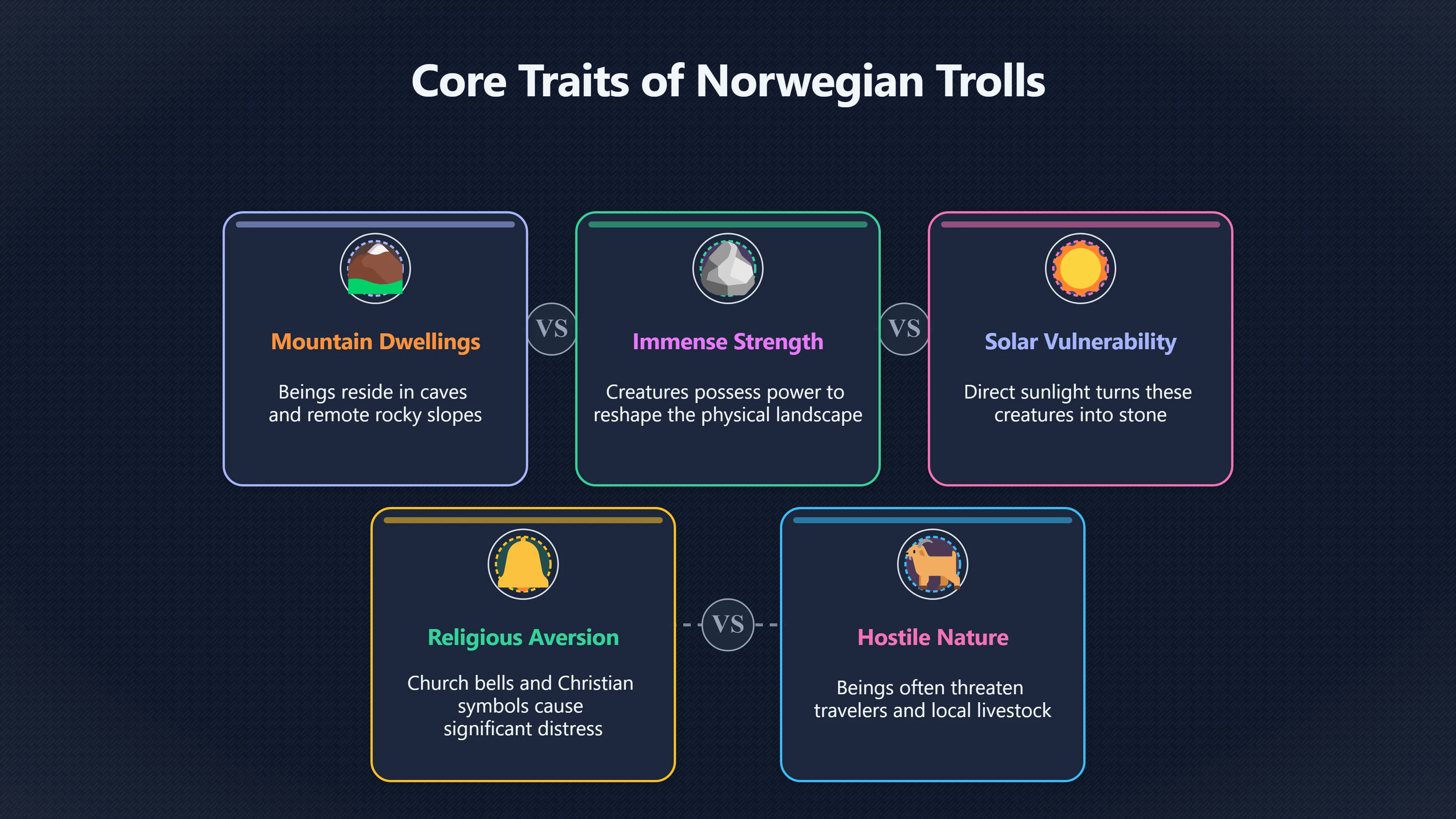
Several recurring traits appear across Norwegian traditions:
- Trolls live in mountains, caves, forests or other remote landscapes.
- They possess enormous strength and can reshape the landscape.
- They are often hostile to humans and may threaten travellers, farms or livestock.
- They are vulnerable to forces associated with Christianity, such as church bells in some legends.
- Sunlight is especially dangerous and may turn them into stone.[wikipedia.org]WikipediaOpen source on wikipedia.org.
The idea that trolls become stone in daylight is particularly important because it links folklore directly to Norway’s scenery. Many unusual cliffs, peaks and isolated rock formations were interpreted as petrified trolls caught by the dawn.[mynewsdesk.com]mynewsdesk.comWhy the World Can't Get Enough of Norway's Trolls1 Dec 2025 — According to Norwegian folklore, the trolls used to roam freely i…
Why mountains matter so much
Norway’s dramatic geography helped shape troll traditions. In a country of steep valleys, towering peaks and remote uplands, mountains often marked the boundary between the known world and the unknown. Trolls became the imagined inhabitants of these spaces.
Folklore repeatedly places troll halls inside mountains. The mountain itself is not merely a backdrop but a living threshold. A traveller who enters a cave, follows a hidden path or crosses into an isolated valley may encounter beings who belong to a different order of reality. In many stories, trolls are almost extensions of the landscape itself: ancient, immovable and older than human settlement.[visitnorway.com]visitnorway.comMysterious rock formations and mountains with troll-like-shapes have mesmerized people all over Norway for thousands of…Read more…
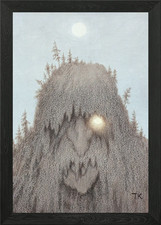
This helps explain why troll traditions survived so strongly in Norway. The country’s landscape seemed to invite such stories. Jagged peaks could resemble giant faces. Massive boulders appeared as though someone had thrown them. Strange rock formations encouraged narratives that connected natural features with supernatural inhabitants.[visitnorway.com]visitnorway.comMysterious rock formations and mountains with troll-like-shapes have mesmerized people all over Norway for thousands of…Read more…
Famous tales of trickery and defeat
Although trolls are dangerous, many Norwegian folktales are surprisingly optimistic. Again and again, ordinary humans defeat them through intelligence rather than force.
The most famous example is The Three Billy Goats Gruff. In this tale, a troll lurks beneath a bridge, hoping to eat passing goats. The two smaller goats persuade him to wait for a larger meal. When the biggest goat finally arrives, it attacks and defeats the troll. The story has become internationally famous, but its basic pattern is deeply Norwegian: the seemingly powerful troll loses because of poor judgement and greed.[Wikipedia]WikipediaThree Billy Goats GruffThree Billy Goats Gruff
Other tales collected by Peter Christen Asbjørnsen and Jørgen Moe feature clever farm boys, travellers or younger sons who outwit giant trolls. Frequently the hero appears weak or insignificant at first. The troll relies on brute force, while the human relies on cunning. This reversal reflects a common folktale theme in which intelligence triumphs over raw power.[Wikipedia]WikipediaNordic folkloreNordic folklore
The popular Norwegian underdog hero often known in English as the Ash Lad repeatedly succeeds against trolls through ingenuity. Rather than slaying monsters in heroic combat, he tricks them into exhausting themselves, surrendering treasure or creating their own downfall. These stories helped establish trolls not only as monsters but as comic foils whose arrogance invites ridicule.[Visit Lillehammer]en.lillehammer.comVisit LillehammerTroll, legends and mythsTroll is a term used to describe various supernatural beings in Nordic folklore and storytelling…
The troll as a comic opponent
One of the most distinctive features of Norwegian troll folklore is that fear and humour often coexist. A troll may be terrifying at the start of a story, but by the end it becomes an object of laughter.
This differs from many monster traditions in which the creature remains purely frightening. Norwegian storytellers often gave trolls exaggerated weaknesses. They were greedy, stubborn, easily deceived or unable to understand simple tricks. The audience could enjoy the thrill of danger while also taking pleasure in seeing the monster humiliated.[EBSCO]ebsco.comScandinavian mythology typically divides trolls into two basic…Read more…
These comic elements may have helped the stories endure. A giant living inside a mountain becomes more memorable when it can also be fooled by a clever farm boy. The tales transform the intimidating wilderness into something that can be managed through wit, confidence and common sense.
In this way, trolls express an important cultural message. The strongest person is not always the winner. Resourcefulness matters more than brute strength. That lesson runs through many Norwegian folktales and helps explain why trolls became such useful storytelling opponents.[Wikipedia]WikipediaNordic folkloreNordic folklore
From oral monsters to national icons
The trolls known today are partly products of nineteenth-century folklore collecting. When Asbjørnsen and Moe published Norwegian folktales, trolls became central characters in a growing national literary tradition. Their collections introduced generations of readers to mountain trolls, troll kings and underground halls filled with treasure.[Visit Lillehammer]en.lillehammer.comVisit LillehammerTroll, legends and mythsTroll is a term used to describe various supernatural beings in Nordic folklore and storytelling…
Artists and illustrators later shaped the visual image now associated with Norwegian trolls. The creatures became larger, stranger and more distinctive in paintings, books and postcards. By the late nineteenth and early twentieth centuries, trolls were no longer only figures from oral tradition. They had become symbols of Norway itself.[Visit Norway]visitnorway.comMysterious rock formations and mountains with troll-like-shapes have mesmerized people all over Norway for thousands of…Read more…
Literature also expanded their role. The legendary Dovre troll king, often called Dovregubben, became famous through Henrik Ibsen’s Peer Gynt, which drew inspiration from older Norwegian folk traditions. In this literary world, trolls were both folkloric creatures and symbols of temptation, isolation and the untamed forces beyond ordinary society.[Wikipedia]WikipediaPer GyntPer Gynt
Why trolls remain everywhere in modern Norway
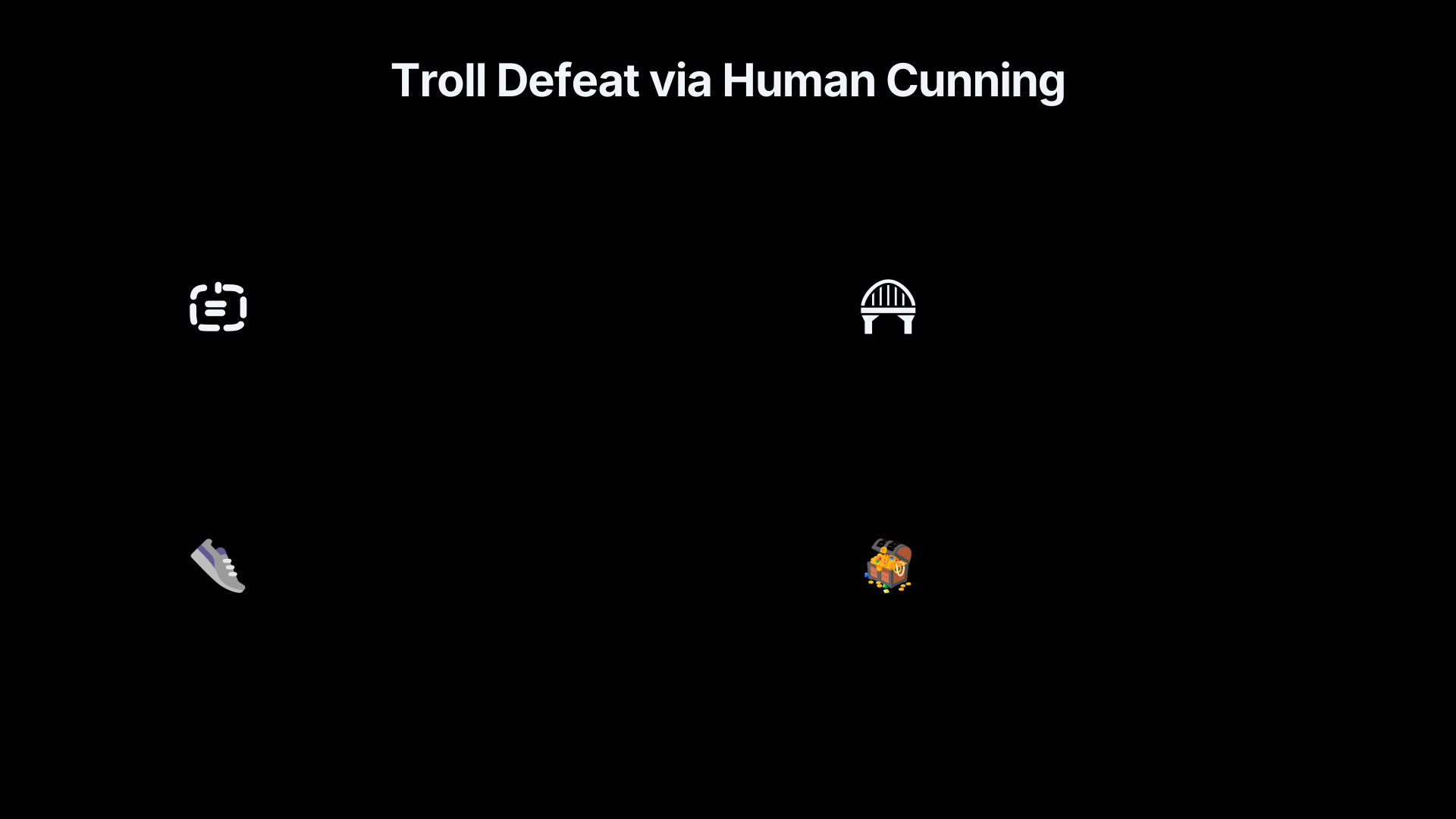
Few people today believe that trolls literally inhabit mountains. Yet trolls remain remarkably visible in Norwegian culture. They appear in tourism campaigns, children’s books, souvenirs, theme parks, films and place names. Famous landmarks such as Trollstigen, Trollveggen, Trollfjorden and Trolltunga keep the association between trolls and dramatic landscapes alive.[Outlook Traveller]outlooktraveller.combetween legend landscape exploring the mythical world of norways trollsCaught at dawn, they turn into stone—an idea used to explain Norway's many troll-shaped cliffs…Read more…
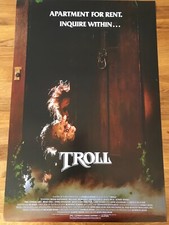
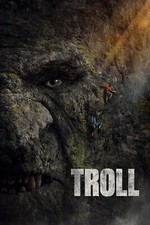
Modern adaptations often soften the creatures, turning them into humorous or even lovable characters. At the same time, contemporary films and novels sometimes revive the older image of the troll as a colossal mountain monster. Both versions draw from the same folklore tradition.[Mynewsdesk]mynewsdesk.comWhy the World Can't Get Enough of Norway's Trolls1 Dec 2025 — According to Norwegian folklore, the trolls used to roam freely i…
The enduring appeal of trolls comes from their flexibility. They can be frightening giants, comic fools, symbols of wilderness or mascots of national identity. Few folklore creatures move so easily between oral tradition, literature, tourism and popular culture.
For many people, trolls remain the creatures that best capture the spirit of Norway’s legendary landscape: ancient beings imagined in the shadows of mountains, powerful enough to shape the land yet often defeated by a quick-thinking hero who refuses to be intimidated.[visitnorway.com]visitnorway.comMysterious rock formations and mountains with troll-like-shapes have mesmerized people all over Norway for thousands of…Read more…
Amazon book picks
Further Reading
Books and field guides related to Why Norwegian Trolls Still Haunt the Mountains. Use these as the next step if you want deeper reading beyond the article.
East of the Sun and West of the Moon
Features many iconic Norwegian supernatural narratives.
eBay marketplace picks
Marketplace Samples
Live-tested eBay searches with available results related to this page.
Endnotes
1.
Source: Wikipedia
Link:https://en.wikipedia.org/wiki/Troll
2.
Source: en.lillehammer.com
Link:https://en.lillehammer.com/things-to-do/into-norway/cultural-heritage-and-attractions/troll-legends-and-myths
Source snippet
Visit LillehammerTroll, legends and mythsTroll is a term used to describe various supernatural beings in Nordic folklore and storytelling...
3.
Source: mynewsdesk.com
Link:https://www.mynewsdesk.com/visitnorway/pressreleases/from-the-norwegian-mountains-to-netflix-why-the-world-cant-get-enough-of-norways-trolls-3418768
Source snippet
Why the World Can't Get Enough of Norway's Trolls1 Dec 2025 — According to Norwegian folklore, the trolls used to roam freely i...
4.
Source: ebsco.com
Link:https://www.ebsco.com/research-starters/religion-and-philosophy/troll-mythical-creature
Source snippet
Scandinavian mythology typically divides trolls into two basic...Read more...
5.
Source: Wikipedia
Title: Nordic folklore
Link:https://en.wikipedia.org/wiki/Nordic_folklore
6.
Source: Wikipedia
Title: Three Billy Goats Gruff
Link:https://en.wikipedia.org/wiki/Three_Billy_Goats_Gruff
7.
Source: Wikipedia
Title: Per Gynt
Link:https://en.wikipedia.org/wiki/Per_Gynt
8.
Source: youtube.com
Title: Trolls | From Norse Myth to Middle-Earth
Link:https://www.youtube.com/watch?v=RJUz0HKUcFc
Source snippet
FamilieTid with Lise Lunge-Larsen: The History of Trolls...
9.
Source: visitnorway.com
Link:https://www.visitnorway.com/things-to-do/art-culture/the-mythical-norwegian-trolls/
Source snippet
Mysterious rock formations and mountains with troll-like-shapes have mesmerized people all over Norway for thousands of...Read more...
10.
Source: outlooktraveller.com
Title: between legend landscape exploring the mythical world of norways trolls
Link:https://www.outlooktraveller.com/destinations/international/between-legend-landscape-exploring-the-mythical-world-of-norways-trolls
Source snippet
Caught at dawn, they turn into stone—an idea used to explain Norway's many troll-shaped cliffs...Read more...
11.
Source: www1.gill-line.com
Title: Trolls In Norwegian Folklore
Link:https://www1.gill-line.com/uploaded-files/OqviT7/ZKE022/Trolls_In_Norwegian_Folklore.pdf
Source snippet
IN NORWEGIAN FOLKLOREOrigins and Characteristics of Trolls in Norwegian Folklore. The tales of trolls in Norwegian folklore likely stem f...
Additional References
12.
Source: hurtigruten.com
Link:https://www.hurtigruten.com/en-gb/explore-norway/history-culture/legends-of-norway
Source snippet
Norse mythology and the legends of Norway's coastLearn about some of the Norse myths, Sámi legends, and Norwegian folklore tales that liv...
13.
Source: youtube.com
Link:https://www.youtube.com/watch?v=Wuyqi8P_v8c
Source snippet
The Norwegian Trolls and where to find them | Visit NorwayTrolls are EVERYWHERE in Norway, not just in souvenir shops. What's the deal wi...
14.
Source: facebook.com
Link:https://www.facebook.com/VisitOslo/posts/trolls-play-a-big-role-in-norwegian-fairytales-and-norse-mythology-in-fact-there/10158478615406266/
Source snippet
ic mythology, though other sources have them living underground, in...Read more...
15.
Source: facebook.com
Title: “Meet the Norwegian trolls in the fairytale forest
Link:https://www.facebook.com/endringmednatur/posts/meet-the-norwegian-trolls-in-the-fairytale-forest-welcome-to-friluftsakademiets-/1361582495976705/
Source snippet
Welcome...4 Sept 2025 — Old stories say they hide in forests, mountains, and fjords… huge, slow, and afraid of sunlight because it turns...
16.
Source: facebook.com
Link:https://www.facebook.com/spectacularnorway/posts/did-you-knowtrolls-are-deeply-rooted-in-norwegian-folklore-and-have-been-part-of/1287064699455044/
Source snippet
lklore. The trolls often live in the mountain home or the...Read more...
17.
Source: facebook.com
Link:https://www.facebook.com/visitnorway/posts/do-you-believe-in-trolls-like-the-one-who-shaped-the-norwegian-mountains-and-val/955164337049520/
Source snippet
lore. The trolls often live in the mountain home or the...Read more...
18.
Source: instagram.com
Link:https://www.instagram.com/p/DOZEJcLjJt7/?hl=en
Source snippet
d to stone when they partied too long and forgot the...Read more...
19.
Source: hurtigruten.com
Link:https://www.hurtigruten.com/en/explore-norway/history-culture/legends-of-norway
Source snippet
or. Our mountains are made of trolls and the...Read more...
20.
Source: ingebretsens-blog.com
Title: The Trouble with Trolls
Link:https://ingebretsens-blog.com/norwegian-trolls/
Source snippet
Ingebretsen's Nordic Marketplace -13 Nov 2023 — The original tales of Norwegian trolls are stories of giant beings that roam the mountain...
21.
Source: youtube.com
Link:https://www.youtube.com/watch?v=4On7NJyTVQk
Source snippet
e, but what is the origin of trolls? In this video, Norwegian...
Topic Tree