Why Argentina's Legends Still Live Beside the Road
Argentina’s folklore is not a single mythology with one sacred book or fixed cast of gods. It is a living mix of Indigenous oral traditions, gaucho legend, folk Catholic devotion, rural ghost stories, regional monsters, seasonal rituals, literary retellings and modern popular culture.

Page outline Jump by section
Why Argentine folklore feels so regional
Argentina is a large country, and its folklore follows geography. The north-east shares cultural ground with Guaraní-speaking regions of Paraguay, southern Brazil and Bolivia; the north-west connects with Andean ritual life; the Pampas gave Argentina its gaucho legends and rural ghost stories; Patagonia preserves Mapuche and Tehuelche memory alongside newer tourist legends; Buenos Aires and other cities reshape older beliefs through literature, music, media and migration. A recent survey of Indigenous languages in Argentina identifies at least 40 Indigenous languages across seven broad language families, a reminder that the country’s story traditions have never come from only one source.[arXiv]arxiv.orgOpen source on arxiv.org.
One of the most important pieces of evidence for Argentina’s folk traditions is the National Folklore Survey of 1921. Organised through the National Education Council, it asked schoolteachers to record local traditions, sayings, songs, beliefs, customs and stories. Argentina’s National Institute of Anthropology and Latin American Thought describes it as a unique documentary collection that recorded popular traditions from the early twentieth century and shows the fusion of Hispanic and Indigenous elements in Argentine nationality.[Argentina]argentina.gob.arArgentina Cien años de la Encuesta Nacional de FolkloreArgentina Cien años de la Encuesta Nacional de Folklore
That archive matters because folklore is often fragile. Many legends were not originally written down by professional authors; they circulated through families, travellers, rural workers, religious devotees, local healers, schoolchildren and storytellers. Later collectors such as Berta Elena Vidal de Battini helped turn this oral material into published collections. Her Cuentos y leyendas populares de la Argentina presents Argentine folk narrative as a corpus gathered from the oral tradition of the people, while also noting its mixture of Spanish inheritance, wider Western tale tradition and specifically Argentine transformation.[Biblioteca Virtual Miguel de Cervantes]cervantesvirtual.comOpen source on cervantesvirtual.com.
Roadside saints: why devotion matters as folklore
For many visitors, the first visible sign of Argentine folk belief is not a monster or a fairy but a shrine by the road. Across the country, small roadside altars honour unofficial saints: figures loved by devotees but not canonised by the Roman Catholic Church. These shrines are not just religious objects. They are story-sites, where suffering, injustice, miracle, travel, danger and gratitude are made visible.
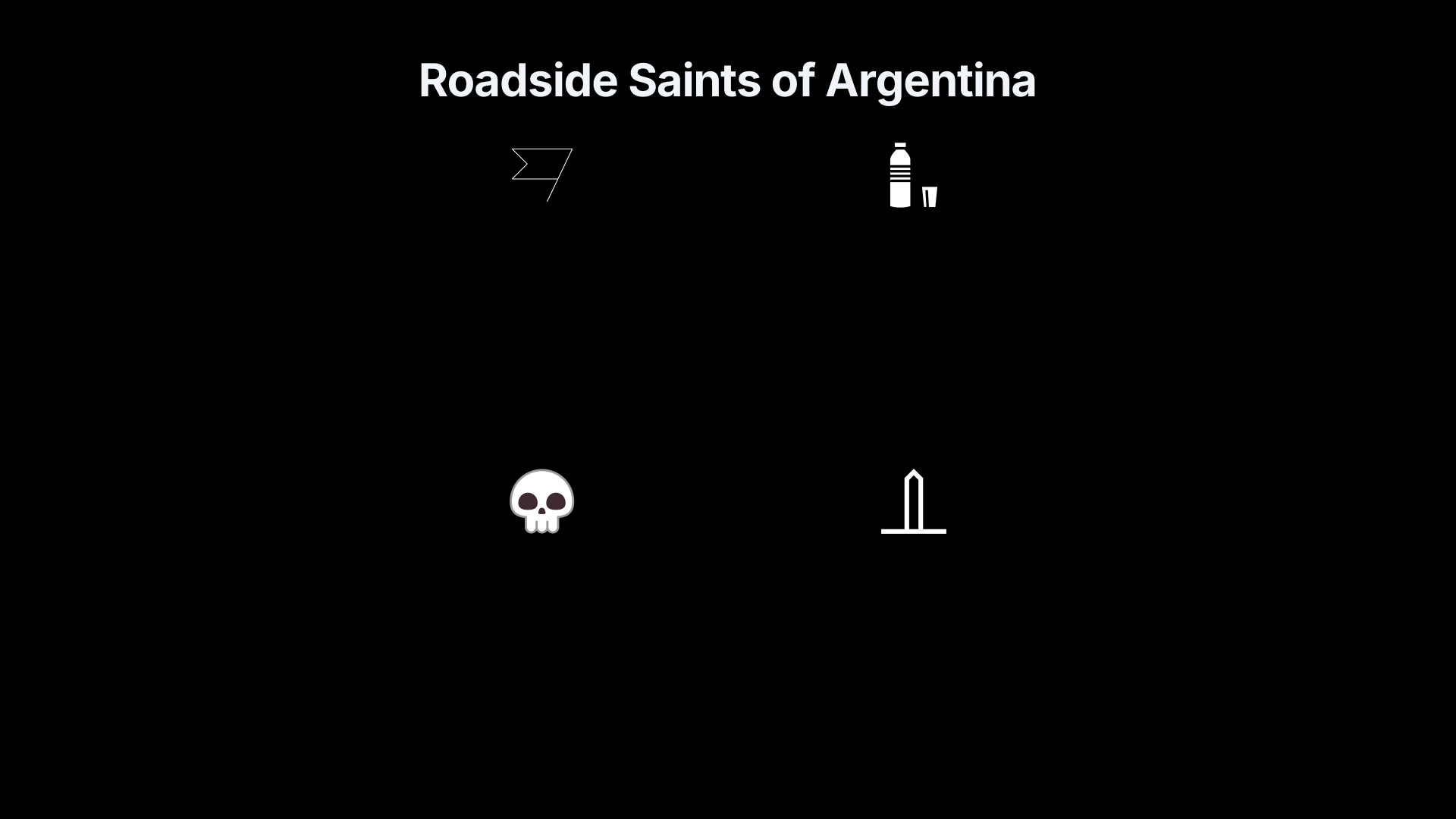
Gauchito Gil is the best-known example. The Argentine culture ministry describes him as the country’s most beloved pagan saint, and notes that his devotion grew strongly in the 1990s and 2000s. His sanctuary is associated with Mercedes in Corrientes province, and his feast day is 8 January. Red flags, ribbons and painted shrines mark his presence on roadsides, especially in the north-east and along transport routes.[Argentina.gob.ar]cultura.gob.arArgentina.gob.ar¿Quién fue el Gauchito Gil y qué cuenta su leyenda?Argentina.gob.ar¿Quién fue el Gauchito Gil y qué cuenta su leyenda?
The legend usually presents Antonio Gil as a nineteenth-century gaucho or rural outlaw who refused unjust authority, helped the poor, was killed, and performed a miracle after death. The details vary, but the moral centre is remarkably stable: a marginal man, condemned by power, becomes a protector of ordinary people. Scholars and commentators cited by Argentina’s culture ministry connect the spread of his devotion with internal migration from Corrientes to the Buenos Aires suburbs and with truck drivers who carried the cult along the highways of Argentina, Brazil and Paraguay.[Argentina.gob.ar]cultura.gob.arArgentina.gob.ar¿Quién fue el Gauchito Gil y qué cuenta su leyenda?Argentina.gob.ar¿Quién fue el Gauchito Gil y qué cuenta su leyenda?
Difunta Correa is Argentina’s most famous female folk saint. Her story is usually placed in the nineteenth-century civil war period. Deolinda Correa follows her forcibly recruited husband across the desert of San Juan with her baby; she dies of thirst and exhaustion, but the child is found alive, still nursing at her breast. Catholic and Cultures, a project documenting lived Catholic practice, describes her as an unofficial saint with roots in the Argentine civil wars and notes the white roadside shrines where devotees leave bottles of water.[Catholics & Cultures]catholicsandcultures.orgdifunta correa unofficial saintdifunta correa unofficial saint
The water bottles are the key to the story. They are an offering to a woman who died of thirst and a request for protection on dangerous journeys. In this sense Difunta Correa is both a maternal figure and a traveller’s guardian. Her cult also shows how Argentine folk devotion often sits beside formal Catholicism without being identical to it: devotees may pray, make promises, leave ex-votos and visit sanctuaries, but Church recognition is not what gives the figure power in popular practice.[Catholics & Cultures]catholicsandcultures.orgdifunta correa unofficial saintdifunta correa unofficial saint
San La Muerte, especially associated with north-eastern Argentina, is darker and more controversial. An Oxford Academic chapter on Spanish American folk saints describes the devotion as evolving from a Guaraní-Christian amulet into a folk saint, with contemporary devotion particularly in Corrientes and Chaco. His skeletal image, often carved as a small figure, belongs to a world of protection, danger, prison devotion, illness, revenge, luck and spiritual negotiation.[OUP Academic]academic.oup.comAcademic San La Muerte | Cultures of DevotionAcademic San La Muerte | Cultures of Devotion
The crucial point is that these figures are not simply “superstitions”. They are popular ways of talking about justice, travel, poverty, motherhood, violence, illness and protection. In Argentina, folk sainthood often begins where official institutions feel distant: on the roadside, at the edge of the law, in a poor neighbourhood, in a lorry cab, at a family altar, or at the grave of someone believed to have suffered unjustly.
The rural uncanny: lights, werewolves and dangerous hours
Argentine ghost and monster traditions often belong to open landscapes: fields, roads, mountains, scrubland, riverbanks and lonely night journeys. They are not usually castle-hauntings. They are stories of distance, darkness and the uneasy feeling that the countryside is watching.
The Luz Mala is one of the most famous examples. It is usually described as a mysterious light seen at night, floating low over the ground, sometimes still, sometimes moving, sometimes seeming to follow the observer. In rural interpretation it may be a soul, an omen, a sign of buried treasure, or a warning not to approach. Modern explanations often compare it with will-o’-the-wisp phenomena, marsh gas, phosphorescence, reflections, or other natural lights; but folklore does not survive because people lack explanations. It survives because it gives a memorable shape to fear in exposed places at night.[Banco Nación]bn.gov.arOpen source on bn.gov.ar.
The Lobizón is Argentina’s best-known werewolf-like creature. It belongs to a wider South American family of seventh-son werewolf beliefs, with related forms in Paraguay and Brazil. In Argentine popular lore, the cursed child is usually the seventh consecutive son, destined to transform into a wolf-like or dog-like being. The legend has often been tangled with a real Argentine presidential godparent tradition for seventh sons and daughters, but reporting by The Guardian and NPR makes clear that the two traditions are not officially the same: the godparent custom began with Russian immigrant practice in 1907 and was formalised in 1974, while the werewolf belief is a separate folk legend.[The Guardian]theguardian.comOpen source on theguardian.com.
That confusion is revealing. Modern folklore does not merely preserve old stories; it also mutates through journalism, the internet and international curiosity. A striking claim about a “werewolf law” travels well online, even when the legal and folkloric histories are different. The Lobizón is therefore both an old rural fear and a modern example of how folklore becomes meme, headline and fact-checking puzzle.
The Pombero, Curupí, Yasí Yateré and other beings linked with Guaraní-speaking regions are especially important in north-eastern Argentina. The National Library’s 2023 exhibition Bestiario nacional. Criaturas del imaginario argentino placed the Pombero, Lobizón, Luz Mala and other creatures within a national bestiary, showing that these beings are now treated not only as local fears but as part of Argentina’s shared imaginative heritage.[Argentina]argentina.gob.arjornada sobre mitos y devociones populares en la biblioteca nacionaljornada sobre mitos y devociones populares en la biblioteca nacional
Such figures often police behaviour. They warn children not to wander at siesta time, caution adults against travelling carelessly, mark dangerous places, or encode anxieties about sex, night, wilderness and social disorder. Their value is not just in the creature itself, but in the social setting where the story is told: a grandmother’s warning, a worker’s account, a schoolyard dare, a roadside tale, a local guide’s anecdote.
Andean ritual life: Pachamama, carnival and the north-west
In north-western Argentina, especially in Jujuy, Salta and Tucumán, folklore cannot be separated from Andean ritual life. Pachamama, usually translated as Mother Earth, is honoured through offerings, household ceremonies and community rituals. Argentina’s official tourism site describes Pachamama Day as a festivity connecting people with nature, centred on offerings for harvest, climate, soil and animals.[Argentina Travel]argentina.travelOpen source on argentina.travel.
The ceremony varies by place, but it commonly involves opening or feeding the earth with food, drink, coca leaves, smoke, cooked dishes or other offerings. Tucumán’s tourism authority describes local events beginning the night before 1 August, including a vigil, music and ancestral incense. The practice is not a museum piece: it is part of a living ritual calendar, sometimes intimate and household-based, sometimes public and touristic.[Tucumán Turismo]tucumanturismo.gob.arOpen source on gob.ar.
Carnival in the Quebrada de Humahuaca gives this ritual world a dramatic public form. Research on the Carnival of Humahuaca describes how the celebration fuses Indigenous customs with Catholic structures and rhetoric, projecting the devil from local myth into lived performance and asking Pachamama to sanctify the events through ritualised unearthing and burial.[ResearchGate]researchgate.netOpen source on researchgate.net.
The Quebrada itself is not just a scenic backdrop. UNESCO lists Quebrada de Humahuaca as a World Heritage cultural landscape, noting its long history as a major cultural route and the survival of vernacular traditions, churches, chapels and agricultural terraces, some linked to systems around 1,500 years old. This landscape context helps explain why ritual, story and place are so tightly bound in the region: the valley is both a route through history and a ritual setting.[UNESCO World Heritage Centre]whc.unesco.orgOpen source on unesco.org.
For a reader used to thinking of folklore as “old stories”, Pachamama traditions are a useful correction. Here folklore is also action: feeding the earth, marking the calendar, joining a procession, burying and unburying a carnival figure, asking for abundance, and renewing a relationship with land and community.
Indigenous oral worlds: Mapuche, Guaraní and more
Argentina’s Indigenous folklore is often flattened in national retellings, but it is not a single block. Guaraní, Mapuche, Quechua, Aymara, Wichí, Qom, Tehuelche and other peoples have distinct histories, languages and story traditions. Modern Argentina inherited, suppressed, transformed and sometimes romanticised these traditions; any serious account has to acknowledge both their cultural power and the damage caused by colonisation, state violence and language loss.
Mapuche oral tradition is especially important in Patagonia and the Andean south. The National Library of Argentina’s material on Mapuche culture highlights oral transmission as a tool against forgetting, including tales, legends and spoken accounts passed from mouth to mouth to teach cultural values. It also stresses the Mapuche understanding of life as deeply connected with nature, time and community.[Biblioteca Nacional Mariano Moreno]bn.gob.arcultura mapuchecultura mapuche
Guaraní-linked traditions are central in the north-east. Beings such as Pombero and Curupí circulate across borders, which is why it is misleading to treat them as exclusively Argentine in origin. They belong to a shared cultural region that includes Paraguay, southern Brazil and parts of Bolivia, while taking on local Argentine forms in Misiones, Corrientes, Chaco and Formosa. San La Muerte’s evolution from a Guaraní-Christian amulet into a folk saint is one example of how Indigenous, Jesuit, Catholic and popular practices can merge into something regionally distinctive.[OUP Academic]academic.oup.comAcademic San La Muerte | Cultures of DevotionAcademic San La Muerte | Cultures of Devotion
In Patagonia, stories of water beings, dangerous lakes, mountain presences and animal transformations often sit beside modern tourist legends. Studies of Mapuche knowledge of continental waters show that aquatic mythological beings are part of a wider Indigenous understanding of rivers, lakes and non-human life, not merely decorative “monster stories”.[Springer]link.springer.comOpen source on springer.com.
The most respectful way to read these traditions is not to strip them for exotic creatures, but to ask what kind of world they describe. Many are about reciprocity, danger, kinship with landscape, respect for animals, the limits of human control, and the memory of communities whose knowledge was often treated as marginal by official culture.

Gauchos, national identity and literary folklore
No figure is more central to Argentine national myth than the gaucho. Historically, gauchos were rural horsemen of the Pampas and borderlands. In folklore and literature, they became symbols of freedom, hardship, skill, masculine honour, resistance and sometimes lawlessness.
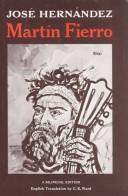
The great literary anchor is José Hernández’s Martín Fierro, published in two parts in the 1870s. Argentina’s presidential website describes Tradition Day, held on 10 November, as a tribute to Hernández, and presents Martín Fierro as a work that captures gaucho customs and values while symbolising struggle and resistance.[http://www.casarosada.gob.ar]casarosada.gob.ar50766 tradition day tribute to jose hernandez and his literary legacy50766 tradition day tribute to jose hernandez and his literary legacy
But gaucho folklore is not simple nostalgia. The gaucho can be heroic, violent, dispossessed, rebellious, comic, tragic or politically useful depending on who is telling the story. Jorge Luis Borges famously complicated the national cult of Martín Fierro, admiring the poem’s literary greatness while resisting the idea that its protagonist should be treated as a simple moral model. That tension matters because folklore often becomes national identity only after writers, teachers, politicians and readers argue over what the story should mean.[Wikipedia]WikipediaBorges on Martín FierroBorges on Martín Fierro
Gauchito Gil belongs partly to this world. He is not the same as Martín Fierro, but his legend draws on the emotional power of the rural outlaw: the poor horseman, unjustly persecuted, loyal to ordinary people, transformed after death into a protector. Argentina’s folk saints and gaucho literature therefore meet at a common point: the idea that official law and popular justice do not always align.[Argentina.gob.ar]cultura.gob.arArgentina.gob.ar¿Quién fue el Gauchito Gil y qué cuenta su leyenda?Argentina.gob.ar¿Quién fue el Gauchito Gil y qué cuenta su leyenda?
Haunted places and legendary landscapes
Argentine folklore is strongly tied to place. Some places are sacred, some dangerous, some miraculous, some haunted, and some have become tourist landscapes where myth is part of the experience.
The shrine of Gauchito Gil near Mercedes, Corrientes, is a major pilgrimage site. The shrine of Difunta Correa in San Juan is another powerful landscape of devotion, surrounded by offerings, plaques, water bottles and stories of favours granted. These are not “haunted places” in the horror sense, but they are charged places: their meaning comes from death, miracle, repetition and the presence of thousands of devotees.[Argentina.gob.ar]cultura.gob.arArgentina.gob.ar¿Quién fue el Gauchito Gil y qué cuenta su leyenda?Argentina.gob.ar¿Quién fue el Gauchito Gil y qué cuenta su leyenda?
The Quebrada de Humahuaca is a different kind of legendary landscape. Its importance comes from deep time: trade routes, agricultural terraces, Indigenous memory, Catholic buildings, carnival practice and Andean ritual all layered through a dramatic valley. UNESCO’s description of the site as a cultural landscape helps explain why stories there feel inseparable from paths, fields, hills and villages.[UNESCO World Heritage Centre]whc.unesco.orgOpen source on unesco.org.
Lake Nahuel Huapi in Patagonia has its own modern monster: Nahuelito. Often compared to the Loch Ness Monster, Nahuelito is described as a long-necked or serpentine creature in the lake. Atlas Obscura notes that the creature has become visible in Bariloche’s local imagination and tourist culture, while Discovery UK describes it as part of present-day local myth, appearing in souvenirs, cafés and boat-tour references.[Atlas Obscura]atlasobscura.comAtlas Obscura Argentina's Loch Ness Monster Lurks Beneath a PatagoniaAtlas Obscura Argentina's Loch Ness Monster Lurks Beneath a Patagonia
Nahuelito shows how Argentine folklore keeps adapting. It may draw on older Indigenous stories of aquatic beings, but its modern form also belongs to twentieth-century cryptid culture, newspaper sightings, photography, tourism and comparisons with Nessie. It is best read as a layered legend: part local landscape story, part media creature, part tourist emblem.
Archives, museums and modern reinterpretation
Argentina does not only preserve folklore informally. It also studies, exhibits and reworks it through archives, museums, libraries and public culture. The National Folklore Survey of 1921 remains foundational because it captured local material at a moment when the state was actively trying to define national culture through schools and documentation.[Argentina]argentina.gob.arArgentina Cien años de la Encuesta Nacional de FolkloreArgentina Cien años de la Encuesta Nacional de Folklore
The National Library’s 2023 exhibition Bestiario nacional. Criaturas del imaginario argentino is a good example of modern reinterpretation. It brought together figures such as the Lobizón, Pombero, Luz Mala, Curupí, Mulánima and Nahuelito, asking how mythological creatures continue to shape Argentine imagination. A related public event at the National Library included specialists discussing myths, popular devotions and regional legends.[Argentina]argentina.gob.arjornada sobre mitos y devociones populares en la biblioteca nacionaljornada sobre mitos y devociones populares en la biblioteca nacional
In 2026, Argentina’s culture secretariat presented La Salamanca as part of a “Myths and Legends of Argentina” cycle at the Palacio Libertad. The official announcement described the theatre-dance work as offering a federal view of Argentine narrative heritage through stage productions inspired by traditional stories and popular legends. This is exactly how folklore often survives in the twenty-first century: not unchanged, but re-staged, illustrated, adapted, taught and made visible to new audiences.[Argentina]argentina.gob.arArgentina La Salamanca regresa al Palacio Libertad con nuevasArgentina La Salamanca regresa al Palacio Libertad con nuevas
The challenge is that modern retellings can blur categories. An old oral tradition, a literary invention, a tourist anecdote and an internet horror story may all be presented online as “ancient legend”. A careful reader should ask: who recorded it, where, when, in what language, and for what purpose? The answer does not make the story less interesting. It often makes it more interesting.
How to tell old tradition from modern invention
Argentine folklore is full of genuine old traditions, but not every popular story is ancient. Some are well-attested in oral collections; some are nineteenth-century political legends; some are devotional histories that grew rapidly in the late twentieth century; some are literary inventions; some are tourist folklore; and some are internet-era exaggerations.
A few useful distinctions help:
Old oral tradition usually appears in multiple local variants, often with no single author. The National Folklore Survey and Vidal de Battini’s collections are important because they preserve examples of this kind of material.[Argentina]argentina.gob.arArgentina Cien años de la Encuesta Nacional de FolkloreArgentina Cien años de la Encuesta Nacional de Folklore
Folk devotion may have a historical core but becomes powerful through pilgrimage, offerings and miracle stories. Gauchito Gil and Difunta Correa belong here: their legends matter less as verifiable biography than as shared devotional narratives about injustice, suffering and protection.[Argentina.gob.ar]cultura.gob.arArgentina.gob.ar¿Quién fue el Gauchito Gil y qué cuenta su leyenda?Argentina.gob.ar¿Quién fue el Gauchito Gil y qué cuenta su leyenda?
Regional monsters and spirits often cross borders. Pombero, Curupí and Lobizón are not neatly confined to Argentina, because Guaraní, Portuguese, Spanish and rural South American traditions overlap across modern national boundaries.[OUP Academic]academic.oup.comAcademic San La Muerte | Cultures of DevotionAcademic San La Muerte | Cultures of Devotion
Modern media folklore often grows through newspapers, television, tourism and social media. Nahuelito and the viral “werewolf law” story show how older motifs can be reassembled into modern legends that travel internationally.[Atlas Obscura]atlasobscura.comAtlas Obscura Argentina's Loch Ness Monster Lurks Beneath a PatagoniaAtlas Obscura Argentina's Loch Ness Monster Lurks Beneath a Patagonia
This does not mean that “new” folklore is fake and “old” folklore is real. Folklore is always changing. The important distinction is between claiming ancient authority without evidence and recognising how stories move, adapt and gain meaning.

What Argentine folklore says about Argentina
Argentine folklore matters because it preserves feelings that formal history often smooths over: fear of empty roads, devotion to the unjustly killed, respect for the land, anxiety about children and danger, pride in rural skill, grief over violence, and the persistence of Indigenous worlds beneath national narratives.
It also complicates the usual image of Argentina as mainly European or urban. Buenos Aires is important, but Argentina’s legendary map is also Corrientes, San Juan, Jujuy, Salta, Tucumán, Misiones, Chaco, the Pampas, Patagonia and the high Andean valleys. Its folklore is Catholic and non-Catholic, Indigenous and migrant, rural and urban, old and newly invented.
The most memorable Argentine traditions are not isolated curiosities. Gauchito Gil’s red flags point to migration, class and roadside faith. Difunta Correa’s water bottles turn a desert death into a traveller’s promise. The Luz Mala makes the night landscape morally charged. The Lobizón shows how family superstition, law and online myth can become tangled. Pachamama rituals keep alive a relationship between community and earth. Nahuelito turns a Patagonian lake into a theatre of mystery.
Taken together, these traditions show folklore doing what it does best: making a country’s landscapes, fears, hopes and contradictions visible in story form.
Amazon book picks
Further Reading
Books and field guides related to Why Argentina's Legends Still Live Beside the Road. Use these as the next step if you want deeper reading beyond the article.
The Gaucho Martín Fierro
Captures the gaucho world that shaped many Argentine legends.
South American Mythology
Places Argentine traditions within wider South American folklore.
El Gaucho Martin Fierro/the Gaucho Martin Fierro
First published 1967. Subjects: Poetry (poetic works by one author), Gauchos, poetry.
Argentine Folktales
Directly covers regional legends, beliefs and oral traditions from across Argentina.
eBay marketplace picks
Marketplace Samples
Live-tested eBay searches with available results related to this page.




Endnotes
1.
Source: argentina.gob.ar
Title: Argentina Cien años de la Encuesta Nacional de Folklore
Link:https://www.argentina.gob.ar/noticias/cien-anos-de-la-encuesta-nacional-de-folklore-un-documento-que-transforma-la-mirada
2.
Source: argentina.gob.ar
Title: jornada sobre mitos y devociones populares en la biblioteca nacional
Link:https://www.argentina.gob.ar/noticias/jornada-sobre-mitos-y-devociones-populares-en-la-biblioteca-nacional
3.
Source: arxiv.org
Link:https://arxiv.org/abs/2501.09943
4.
Source: cultura.gob.ar
Title: Argentina.gob.ar¿Quién fue el Gauchito Gil y qué cuenta su leyenda?
Link:https://www.cultura.gob.ar/santos-populares-gauchito-gil-8664/
5.
Source: academic.oup.com
Title: Academic San La Muerte | Cultures of Devotion
Link:https://academic.oup.com/book/27049/chapter/196348740
6.
Source: Wikipedia
Title: Luz mala
Link:https://es.wikipedia.org/wiki/Luz_mala
7.
Source: argentina.travel
Link:https://www.argentina.travel/en/news/pachamama-day-the-behind-the-scenes-of-the-festivity-that-connects-us-with-nature
8.
Source: tucumanturismo.gob.ar
Link:https://www.tucumanturismo.gob.ar/articulos/articulo/367/the-ceremony-to-pachamama-a-ritual-to-connect-with-nature?lang=EN
9.
Source: researchgate.net
Link:https://www.researchgate.net/publication/253417406_From_Myth_to_Reality_Performing_the_Devil_and_Pachamama_in_the_Carnival_of_Humahuaca
10.
Source: whc.unesco.org
Link:https://whc.unesco.org/en/list/1116/
11.
Source: bn.gob.ar
Title: cultura mapuche
Link:https://www.bn.gob.ar/talleres/cultura-mapuche
12.
Source: researchgate.net
Link:https://www.researchgate.net/publication/276843411_En_Argentine_des_saints_au_bord_des_chemins_Difunta_Correa_Gauchito_Gil_et_San_La_Muerte
13.
Source: link.springer.com
Link:https://link.springer.com/article/10.1186/s13002-016-0130-y
14.
Source: casarosada.gob.ar
Title: 50766 tradition day tribute to jose hernandez and his literary legacy
Link:https://www.casarosada.gob.ar/international/latest-news/50766-tradition-day-tribute-to-jose-hernandez-and-his-literary-legacy
15.
Source: Wikipedia
Title: Borges on Martín Fierro
Link:https://en.wikipedia.org/wiki/Borges_on_Mart%C3%ADn_Fierro
16.
Source: discoveryuk.com
Title: investigating nahuelito argentinas loch ness monster
Link:https://www.discoveryuk.com/mysteries/investigating-nahuelito-argentinas-loch-ness-monster/
17.
Source: argentina.gob.ar
Title: Argentina La Salamanca regresa al Palacio Libertad con nuevas
Link:https://www.argentina.gob.ar/noticias/la-salamanca-regresa-al-palacio-libertad-con-nuevas-funciones
18.
Source: ich.unesco.org
Title: tango 00258
Link:https://ich.unesco.org/en/RL/tango-00258
19.
Source: ich.unesco.org
Title: argentina AR
Link:https://ich.unesco.org/en/state/argentina-AR?info=periodic-reporting
20.
Source: unesco.org
Title: document 319
Link:https://www.unesco.org/archives/multimedia/document-319
21.
Source: ich.unesco.org
Link:https://ich.unesco.org/en/decisions/4.COM/13.01
22.
Source: whc.unesco.org
Link:https://whc.unesco.org/uploads/nominations/1116.pdf
23.
Source: Wikipedia
Link:https://en.wikipedia.org/wiki/Mapuche
24.
Source: Wikipedia
Link:https://en.wikipedia.org/wiki/Argentina
25.
Source: Wikipedia
Link:https://en.wikipedia.org/wiki/Nahuelito
26.
Source: Wikipedia
Title: San La Muerte
Link:https://en.wikipedia.org/wiki/San_La_Muerte
27.
Source: folklore.ee
Title: fl ejf 77x
Link:https://www.folklore.ee/folklore/sites/default/files/2025-07/fl_ejf_77x.pdf
28.
Source: researchgate.net
Link:https://www.researchgate.net/publication/292051039_Cultures_of_Devotion_Folk_Saints_of_Spanish_America
29.
Source: researchgate.net
Link:https://www.researchgate.net/publication/321213353_Indigenous_oral_tradition_in_southern_Latin_America_A_library%27s_effort_to_save_sounds_and_stories_from_silence
30.
Source: enf1921.cultura.gob.ar
Title: cultura.gob.ar Mendoza.pdf
Link:https://enf1921.cultura.gob.ar/Catalogos/Mendoza.pdf
31.
Source: bibliotecanacional.gob.cl
Link:https://www.bibliotecanacional.gob.cl/archivo-de-literatura-oral-y-tradiciones-populares
32.
Source: argentina.gob.ar
Link:https://www.argentina.gob.ar/noticias/ya-esta-disponible-el-sobre-3-de-la-encuesta-nacional-de-folklore-un-relevamiento-historico
33.
Source: argentina.gob.ar
Link:https://www.argentina.gob.ar/noticias/vacaciones-de-invierno-2023-propuestas-de-la-biblioteca-nacional-y-el-museo-del-libro-y-de
34.
Source: argentina.gob.ar
Title: encuentro pakapaka y deportv estrenan su programacion 2021
Link:https://www.argentina.gob.ar/noticias/encuentro-pakapaka-y-deportv-estrenan-su-programacion-2021
35.
Source: argentina.gob.ar
Title: agenda de la semana con los destacados de los medios publicos 15
Link:https://www.argentina.gob.ar/noticias/agenda-de-la-semana-con-los-destacados-de-los-medios-publicos-15
36.
Source: argentina.gob.ar
Link:https://www.argentina.gob.ar/anticorrupcion/obsequiosyviajes
37.
Source: chileparaninos.gob.cl
Link:https://www.chileparaninos.gob.cl/639/articles-350035_archivo_01.pdf
38.
Source: memoriachilena.gob.cl
Link:https://www.memoriachilena.gob.cl/602/w3-article-95879.html
39.
Source: bibliotecanacionaldigital.gob.cl
Link:https://www.bibliotecanacionaldigital.gob.cl/bnd/627/w3-article-179356.html
40.
Source: revistas.inapl.gob.ar
Link:https://revistas.inapl.gob.ar/index.php/series_especiales/issue/download/212/256
41.
Source: link.springer.com
Link:https://link.springer.com/rwe/10.1007/978-3-319-27078
42.
Source: academic.oup.com
Link:https://academic.oup.com/book/27049/chapter/196349508
43.
Source: cervantesvirtual.com
Link:https://www.cervantesvirtual.com/obra-visor/cuentos-y-leyendas-populares-de-la-argentina-tomo-i–0/html/0033a660-82b2-11df-acc7-002185ce6064_52.html
44.
Source: catholicsandcultures.org
Title: difunta correa unofficial saint
Link:https://www.catholicsandcultures.org/argentina/mary-and-saints/difunta-correa-unofficial-saint
45.
Source: bn.gov.ar
Link:https://www.bn.gov.ar/micrositios/admin_assets/issues/files/54f81c4025bc28d9762027c4b704cdb7.pdf
46.
Source: theguardian.com
Link:https://www.theguardian.com/world/2014/dec/29/argentina-kirchner-adopt-child-werewolf
47.
Source: atlasobscura.com
Title: Atlas Obscura Argentina’s Loch Ness Monster Lurks Beneath a Patagonia
Link:https://www.atlasobscura.com/articles/nahuelito-argentina-loch-ness-monster-bariloche-patagonia
48.
Source: facebook.com
Link:https://www.facebook.com/groups/544175310009545/posts/981186109641794/
49.
Source: earthstoriez.com
Link:https://earthstoriez.com/argentina-legend-folklore-of-gauchito-gil
50.
Source: earthstoriez.com
Link:https://earthstoriez.com/argentina-legend-folklore-difunta-correa
51.
Source: sk.sagepub.com
Title: san la muerte
Link:https://sk.sagepub.com/ency/edvol/download/the-sage-encyclopedia-of-sociology-of-religion/chpt/san-la-muerte.pdf
52.
Source: research.dom.edu
Link:https://research.dom.edu/NAS/myth
53.
Source: ebsco.com
Link:https://www.ebsco.com/research-starters/literature-and-writing/gaucho-literature
54.
Source: victoriamaranonrodriguez.com
Title: Bestiario Nacional
Link:https://www.victoriamaranonrodriguez.com/2023/10/12/bestiario-nacional/
55.
Source: smithsonianmag.com
Title: argentina has superstition 7th sons will turn werewolves 180953746
Link:https://www.smithsonianmag.com/smart-news/argentina-has-superstition-7th-sons-will-turn-werewolves-180953746/
56.
Source: gladlylernegladlyteche.blogspot.com
Title: san la muerte
Link:https://gladlylernegladlyteche.blogspot.com/2016/03/san-la-muerte.html
57.
Source: argentinaonthego.com
Title: Popular Saints in Argentina
Link:https://argentinaonthego.com/santos-populares-en-argentina/
58.
Source: argentinaonthego.com
Title: Popular Saints in Argentina
Link:https://argentinaonthego.com/en/popular-saints-in-argentina/
59.
Source: redalyc.org
Link:https://www.redalyc.org/journal/3794/379476085004/html/
60.
Source: pinterest.com
Link:https://www.pinterest.com/pin/the-peoples-saints-from-argentina-gauchito-gil-difunta-correa-more–811562795326550049/
61.
Source: apimagesblog.com
Title: argentina folk saints
Link:https://apimagesblog.com/blog/2014/11/13/argentina-folk-saints
Additional References
62.
Source: youtube.com
Title: 10 Timeless Legends of Argentina: Myths of the Pampas, Mountains, and Spirits
Link:https://www.youtube.com/watch?v=0mtl84p9u9s
Source snippet
Traditions of Northeastern Argentina: Gauchito Gil - Encuentro Channel...
63.
Source: youtube.com
Title: THE MYTH OF WHEN EVIL LURKS: Rural horror and Argentine legends
Link:https://www.youtube.com/watch?v=ihMDL64WUWU
Source snippet
10 Timeless Legends of Argentina: Myths of the Pampas, Mountains, and Spirits...
64.
Source: youtube.com
Title: Traditions of Northeastern Argentina: Gauchito Gil
Link:https://www.youtube.com/watch?v=Dxn2Mjks6JM
Source snippet
Legends from Argentina in English - Words Across Worlds...
65.
Source: youtube.com
Title: The Darkest Side of Argentina: 6 Forbidden Legends
Link:https://www.youtube.com/watch?v=UY3kPxun140
Source snippet
THE MYTH OF WHEN EVIL LURKS: Rural horror and Argentine legends...
66.
Source: academia.edu
Link:https://www.academia.edu/126748449/Santa_Muerte_The_Folk_Saint_of_Death
67.
Source: academia.edu
Link:https://www.academia.edu/24447874/Tales_and_Local_Beliefs_in_Argentinean_Folklore
68.
Source: mondify.org
Link:https://mondify.org/embrace-the-spirit-of-pachamama-a-unique-argentine-tradition/
69.
Source: wander-argentina.com
Link:https://wander-argentina.com/gauchito-gil-in-buenos-aires/
70.
Source: journeylatinamerica.com
Link:https://www.journeylatinamerica.com/travel-inspiration/culture-music-sport-and-festivals/halloween-inspired-latin-americas-spookiest-myths/
71.
Source: facebook.com
Link:https://www.facebook.com/BNMMArgentina/posts/muestras-hasta-el-24-de-septiembre-se-puede-visitar-en-la-sala-juan-l-ortiz-la-m/716296507207147/
Topic Tree
Follow this branch
Related pages 192
- Afghan Folklore
- Albanian Folklore
- Algerian Folklore
- Australian Folklore
- Azerbaijan Folklore
- +187 more in sidebar